

Leak Detection Services in Alabama: Prevent Costly Damage
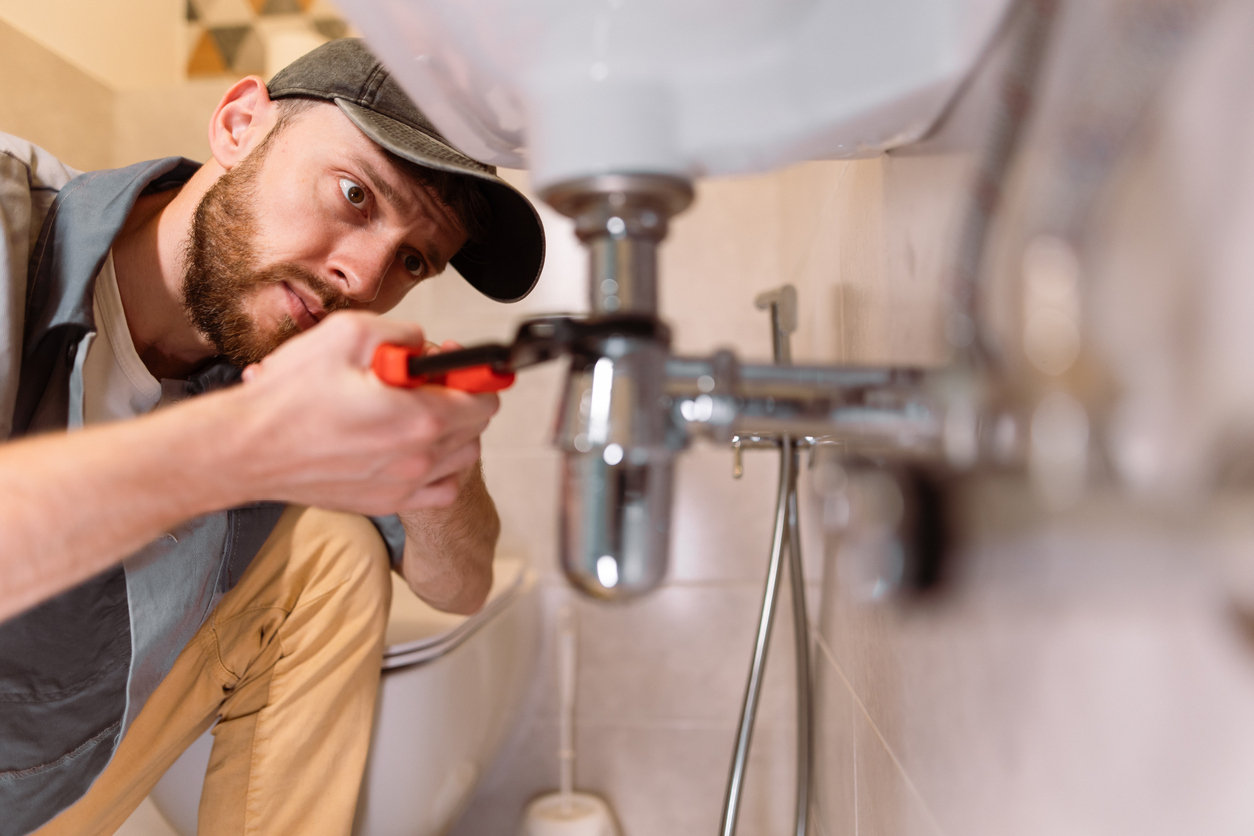 Water keeps your home running, but when it moves where it shouldn’t, the damage can be immediate and expensive. In Alabama, factors like shifting soil, high humidity, and aging water systems make homes especially vulnerable to hidden leaks and sudden pipe failures. This is where professional leak detection is not just a repair service, but a critical line of defense for your property.
At Rapid Restoration, the focus goes beyond fixing visible issues. Advanced leak detection in Alabama is designed to identify problems at their source, whether it’s a concealed pipe leak, a compromised water line, or early signs of system failure. By combining modern leak detection technology with experienced expertise, issues are addressed before they escalate into structural damage, mold growth, or costly emergency repairs.
For homeowners and property managers alike, the goal is simple: protect your space, control costs, and maintain a reliable water system year-round. With the right approach to leak detection, you’re not just responding to problems: you’re staying ahead of them.
How Small Water Leaks Turn Into Big Home Problems in Alabama?
In many Alabama homes, a small leak rarely feels urgent. A slow drip under the sink or a faint damp spot near a wall often goes unnoticed until it quietly grows into something much bigger. With Alabama’s humid climate, shifting soil, and aging plumbing systems, even minor issues can escalate faster than homeowners expect. What starts as a simple leak can turn into structural damage, mold growth, and expensive repairs if left unchecked.
Why Small Leaks Are Easy to Ignore but Risky to Delay?
A small water leak doesn’t always create immediate visible damage. It may hide behind walls, under floors, or within foundations. Because the signs are subtle, homeowners often delay action.
However, constant moisture slowly weakens materials, leading to warped wood, damaged drywall, and hidden deterioration. Early leak detection is critical, but many issues remain undetected until the damage becomes obvious and costly.
How Alabama’s Climate Makes Leaks More Dangerous?
Alabama’s high humidity creates the perfect environment for moisture to spread and linger. When water from a leak combines with humid air, it accelerates mold growth and material decay.
In addition, the region’s soil movement can stress underground plumbing lines, increasing the risk of cracks and hidden water leaks. This combination makes leak detection especially important for Alabama homeowners.
From Minor Leak to Major Damage: What Really Happens Over Time
Over time, even a small leak can lead to significant problems. Water can seep into foundations, causing cracks or instability. It can also create conditions for mold, which impacts indoor air quality and health.
As the damage spreads, repairs become more complex, often requiring extensive plumbing work, structural fixes, and remediation efforts. What could have been a simple leak repair turns into a major home issue.
Why Early Leak Detection Matters More Than You Think?
Addressing a leak early is not just about fixing a pipe; it’s about protecting your entire home. Timely leak detection helps prevent water damage, reduces repair costs, and maintains the long-term value of your property. For homeowners in Alabama, staying alert to small warning signs can make the difference between a quick fix and a costly problem.
Understanding how small leaks evolve helps homeowners take timely action, avoid unnecessary damage, and keep their plumbing systems functioning efficiently.
What Causes Hidden Plumbing Leaks in Alabama Homes?
A hidden leak doesn’t appear overnight; it develops slowly due to underlying issues within your plumbing system. For homeowners in Alabama, factors like soil movement, humidity, and aging infrastructure make these problems more common than expected. Understanding the root causes of a leak helps you move beyond surface-level fixes and focus on long-term protection through proper leak detection and plumbing maintenance.
Slab Movement and Shifting Soil in Alabama
Alabama’s soil naturally expands and contracts with moisture changes. Over time, this movement places stress on underground plumbing lines, especially those running beneath concrete slabs.
Even slight shifts can cause pipes to crack, bend, or disconnect, leading to hidden water leaks beneath floors. Because these leaks occur out of sight, they often go unnoticed until significant damage has already occurred.
Pipe Corrosion and Aging Plumbing Systems
Many homes in Alabama still rely on older plumbing systems that are more vulnerable to corrosion. Pipes made from materials like galvanized steel or aging copper can gradually weaken due to constant exposure to water and minerals.
As corrosion builds up, small pinhole leaks can form, slowly releasing water without immediate visible signs. These types of leaks are especially difficult to detect early without professional inspection.
Water Pressure Imbalances and System Stress
Excessively high or inconsistent water pressure is another common cause of a hidden leak. When pressure fluctuates, it puts strain on pipes, joints, and connections. Over time, this stress can lead to cracks or weakened seals, allowing water to escape in concealed areas such as walls or ceilings. Without proper monitoring, these issues remain hidden until they disrupt your plumbing system.
Poor Installation or Low-Quality Plumbing Work
Not all plumbing systems are installed with long-term durability in mind. Poor workmanship, incorrect fittings, or substandard materials can create weak points in the system. These vulnerabilities may not cause immediate problems, but can lead to leaks over time. In many cases, homeowners only discover the issue after damage has already spread.
Why Hidden Leaks Are So Difficult to Detect
Hidden plumbing leaks are challenging because they occur behind walls, under floors, or within foundation areas that are not easily visible. The water flow is often slow and silent, making it harder to notice until secondary damage appears. This is why proactive leak detection plays a critical role in preventing larger plumbing issues.
If you suspect underlying issues, professional leak detection in Alabama can help identify hidden problems early, before they lead to costly repairs.
Early Warning Signs of Water Leaks You Should Never Ignore
Not all plumbing problems start with a burst pipe. In most Alabama homes, a leak begins quietly, showing subtle signs before turning into visible damage. Recognizing these early signals is key to timely leak detection and avoiding costly repairs. The sooner you act, the easier it is to protect your home from long-term water damage.
Unexplained Increase in Water Bills: A sudden spike in your water bill without a change in usage is often the first sign of a hidden leak. Even a small, continuous water flow can add up over time. Many homeowners in Alabama overlook this, assuming it’s a billing error when it’s actually an early water leak issue that needs attention.
Musty Odors and Damp Smells Indoors: If certain areas of your home smell damp or musty, it could indicate trapped moisture from a hidden leak. Water behind walls or under floors creates the perfect environment for mold growth. These smells are often one of the earliest warning signs before visible damage appears.
Stains, Discoloration, or Peeling Surfaces: Water leaks often reveal themselves through stains on ceilings, walls, or floors. You might notice yellowish patches, bubbling paint, or warped surfaces. These signs indicate that water has been accumulating over time, affecting both the structure and appearance of your home.
Unusual Yard Changes and Outdoor Signals: A leak isn’t always inside. If you notice unusually green patches in your yard, soggy soil, or unexplained puddles, it could point to an underground plumbing leak. In Alabama, where soil movement is common, these outdoor signs are especially important to monitor.
Case Study: A Small Leak That Became a Big Problem
A homeowner in Alabama noticed a slight increase in their water bill and a faint odor in one room. Assuming it was minor, they delayed action. Weeks later, the issue escalated water had been leaking behind the wall, causing mold growth and structural damage. What could have been a simple leak detection and plumbing fix turned into a costly repair involving wall replacement and remediation.
Don’t ignore these early warning signs! Partner with Rapid Restoration for expert leak detection in Alabama. Our team quickly identifies hidden water issues and prevents costly damage, helping you take action before small problems turn into major repairs.
What Actually Happens During a Professional Leak Detection Service?
For many homeowners, calling a professional for leak detection feels like a big step often associated with disruption, cost, or uncertainty. In reality, modern plumbing inspections are far more precise, efficient, and non-invasive than most people expect. Understanding the process helps remove hesitation and builds confidence in taking timely action.
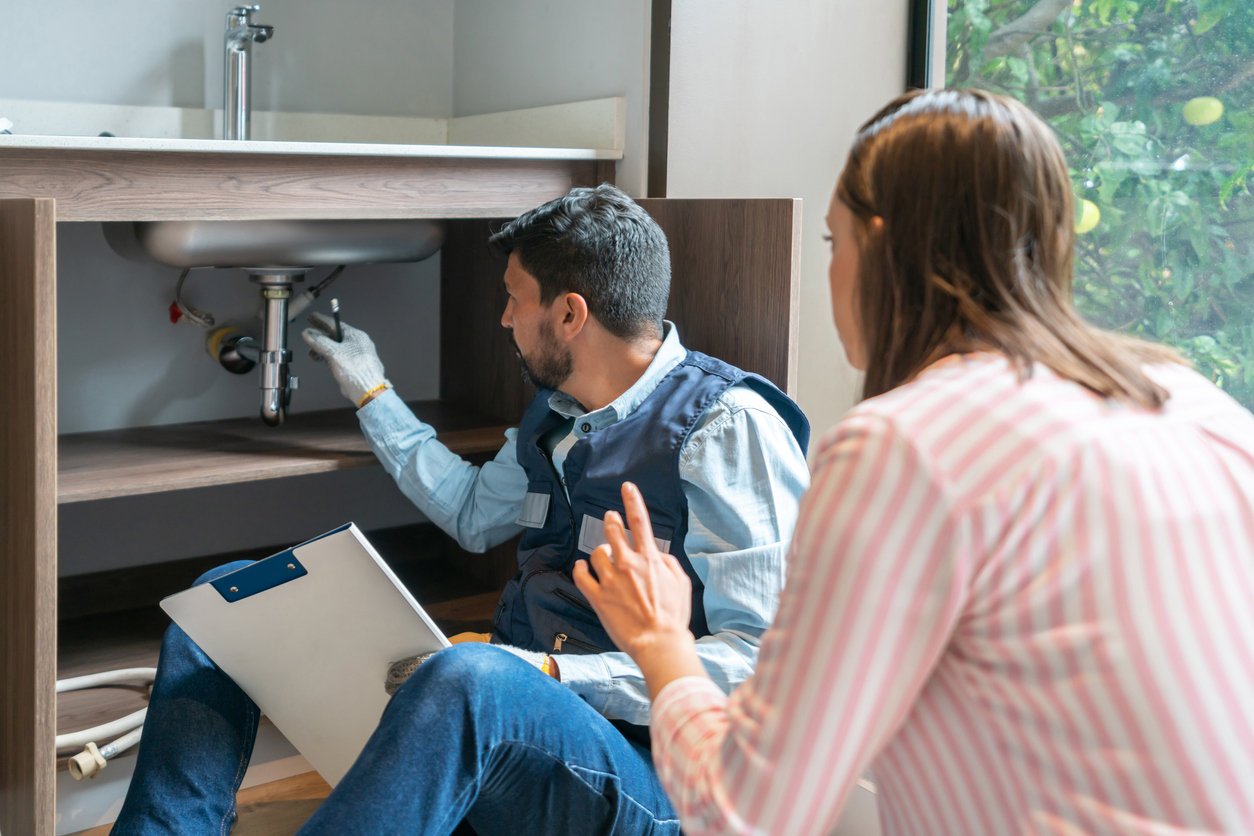 Step 1: Initial Plumbing Assessment and Problem Mapping
The process begins with a detailed evaluation of your existing plumbing system and property conditions. Professionals ask about changes in water usage, pressure issues, or visible concerns. They may also review previous leak incidents or recurring moisture patterns to identify trends. This step helps narrow down where the leak may be occurring without unnecessary guesswork.
Step 2: Advanced Leak Detection Tools and Techniques
Today’s leak detection relies on specialized tools designed to locate water leaks without damaging your property. Acoustic sensors detect the sound of water escaping from pipes, while thermal imaging identifies temperature differences caused by hidden moisture.
In some cases, pressure testing is used to pinpoint weaknesses in the plumbing system. These methods allow technicians to accurately locate leaks behind walls, under floors, or underground without tearing everything apart.
Step 3: Non-Invasive Inspection That Protects Your Property
One of the biggest concerns homeowners have is property damage during inspection. However, modern plumbing leak detection is designed to be minimally invasive. Instead of breaking walls or digging blindly, professionals target the exact problem area. This reduces repair time, lowers costs, and ensures your home remains largely undisturbed during the process.
Step 4: Clear Reporting and Repair Recommendations
Once the leak is identified, you’ll receive a clear explanation of the issue along with recommended repair solutions. This may include recommendations for pipe repairs, joint replacements, or other corrective actions depending on the severity of the issue. Transparent reporting helps you make informed decisions without confusion or pressure.
How Leak Detection Supports Insurance Claims?
In many cases, professional leak detection documentation can support insurance claims. Detailed reports, images, and identified causes of water damage help validate your claim and speed up the process. This is especially valuable when dealing with hidden plumbing leaks that cause structural or interior damage.
Why Acting Early Makes All the Difference
Delaying leak detection often leads to larger plumbing issues, higher repair costs, and potential health risks from mold. Early intervention keeps damage contained and protects your property’s long-term value.
If you suspect a hidden leak, don’t wait for visible damage. With Rapid Restoration’s expert leak detection services, you get non-invasive methods and accurate reports that protect your home from start to finish.
From Slab Leaks to Hidden Pipe Leaks: Which Leak Detection Tools Are Used?
Not all water leaks are the same, and neither are the methods used to find them. Modern leak detection relies on specialized tools designed to locate hidden water issues with minimal disruption to your property. The right technology depends on where the leak is located, how severe it is, and how accessible the affected area may be.
Hidden Wall Leaks
When water leaks develop behind walls, professionals often use moisture meters and thermal imaging cameras. Moisture meters measure the amount of water trapped within building materials, while thermal imaging helps identify temperature differences caused by hidden moisture. Together, these leak detection tools help locate the source without opening up large sections of the wall.
Slab Leaks
Slab leaks occur beneath concrete foundations and can be difficult to identify without specialized equipment. Acoustic listening devices and pressure testing are commonly used to detect water movement beneath the slab. These tools allow technicians to pinpoint the leak location accurately while minimizing unnecessary excavation.
Underground Water Line Leaks
Leaks in underground water lines often show signs such as soggy soil, unexplained puddles, or unusually high water bills. Acoustic sensors and ground microphones are frequently used to detect the sound of escaping water below the surface. This approach helps identify hidden leaks without extensive digging.
Ceiling and Roof-Related Water Intrusion
When water enters through ceilings or roof structures, thermal imaging and moisture mapping help track how far moisture has spread. These leak detection methods provide a clearer understanding of affected areas and support faster mitigation efforts before additional damage occurs.
Aging Water System Leaks
Older water systems may develop leaks due to corrosion, worn connections, or material deterioration. Pressure testing, acoustic detection, and video inspection technologies help evaluate system conditions and identify hidden water leaks before they lead to larger property concerns.
Different leaks require different leak detection approaches. Using the right technology improves accuracy, reduces disruption, and helps property owners address water issues before they become costly problems.
Concerned about a hidden water leak? Contact Rapid Restoration for professional leak detection services in Alabama and get answers before minor water issues turn into major damage.
The Cost of Leak Detection in Alabama: Why Early Detection Saves Money
One of the most common questions homeowners ask is whether professional leak detection is worth the cost. The reality is that the price of leak detection can vary depending on the location of the leak, the complexity of the inspection, and the technology required. However, early leak detection is often far less expensive than dealing with the extensive water damage that can result from an undetected leak.
Type and Location of the Leak: Hidden wall leaks, slab leaks, and underground water line leaks each require different levels of investigation. Leaks located beneath foundations or deep underground typically require more advanced leak detection methods, which can influence the overall inspection cost.
Technology and Equipment Used: Modern leak detection relies on tools such as thermal imaging cameras, moisture meters, acoustic listening devices, and pressure testing equipment. The type of technology needed to accurately locate a water leak can impact the scope and cost of the service.
Property Size and Accessibility: Larger properties or buildings with multiple water systems may require a more extensive inspection process. Accessibility also plays a role, as leaks hidden behind walls, beneath flooring, or under concrete slabs can take additional time to locate.
Severity and Extent of Water Intrusion: The longer a leak goes undetected, the more widespread the water damage may become. Extensive moisture migration can require additional assessment to determine the full impact on affected materials and surrounding areas.
Documentation and Reporting Requirements: Some homeowners require detailed reports, moisture mapping, or supporting documentation for insurance purposes. Comprehensive leak detection reports can provide valuable information when assessing property damage or filing claims.
How Early Leak Detection Helps You Save Money
Early leak detection helps prevent water damage from spreading into walls, flooring, foundations, and structural components. It can also reduce the risk of mold growth, minimize restoration expenses, lower water waste, and help property owners avoid costly emergency situations. In many cases, identifying a hidden leak early can mean the difference between a manageable repair and a major restoration project.
Wondering what leak detection may cost for your property? Contact Rapid Restoration for a professional assessment and personalized free estimate before hidden water damage leads to more expensive repairs.
 Frequently Asked Questions About Leak Detection in Alabama
Leak detection is often associated with hidden water damage, but many property owners have questions about what happens before, during, and after an inspection. Here are some of the most commonly asked questions about leak detection services in Alabama.
Q1: Does homeowners’ insurance cover water leak detection? Coverage varies depending on the cause of the leak and the terms of your policy. In some cases, insurance may cover certain water damage-related expenses, while detection and repair costs may be handled separately. It's always best to review your policy details or speak with your insurance provider.
Q2: Can leak detection help prevent mold growth? Yes. Finding and addressing a water leak early can significantly reduce the amount of moisture that accumulates within walls, flooring, and other building materials. This lowers the risk of mold development and related property damage.
Q3: Are slab leaks common in Alabama? Slab leaks can occur in Alabama due to factors such as soil movement, aging water lines, and long-term wear. Because these leaks develop beneath foundations, professional leak detection is often needed to accurately locate the source.
Q4: Should I schedule leak detection even if the leak seems minor? Even a small leak can become a larger problem over time. A professional inspection can help determine whether the issue is isolated or part of a larger water-related concern that may require attention.
Q5: What should I do before a leak detection appointment? Property owners should make note of any unusual water usage, damp areas, sounds of running water, or visible signs of moisture. Sharing these observations can help streamline the inspection process.
Q6: How often should a property be checked for hidden water leaks? There is no universal schedule, but older properties, buildings with previous water damage, and homes with aging water systems may benefit from periodic leak detection inspections.
Protecting your property starts with informed decisions and timely action. If you have concerns about a potential water leak or would like guidance specific to your situation, connect directly with our owner and get the answers you need.
In a Nutshell
A hidden leak can do more than waste water; it can quietly damage walls, floors, foundations, and other parts of your property over time. Recognizing the warning signs and investing in early leak detection can help prevent costly repairs and protect your home's long-term value.
For homeowners in Alabama, professional leak detection provides a proactive way to identify water issues before they escalate. With advanced technology, detailed assessments, and clear reporting, Rapid Restoration helps uncover hidden leaks and gives you the information needed to make confident decisions about your property.
If you suspect a leak or want peace of mind about your water system, contact Rapid Restoration today to schedule a professional leak detection assessment.