
Property Damage Services in Birmingham: Water Damage Cleanup, Mold, Leak Detection Experts
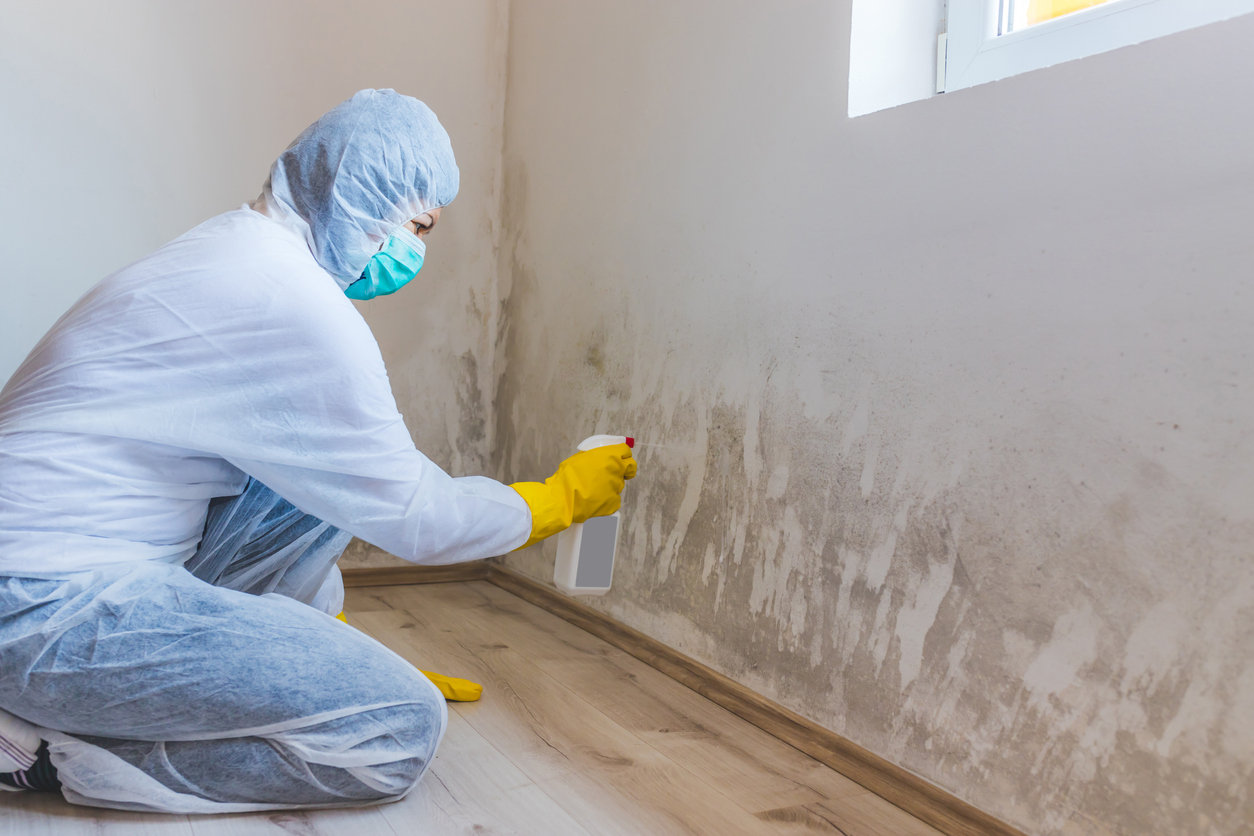 In Birmingham, property damage often occurs without warning. A sudden leak, an unexpected water intrusion, or a gradual buildup of moisture can quickly become a larger issue affecting both structural elements and indoor conditions. What may begin as a minor concern can escalate into water damage, mold growth, or more complex property-related issues if not addressed in time.
Rapid Restoration provides comprehensive services across Birmingham, including water mitigation and cleanup, mold testing and remediation, and leak detection. Each service is designed to respond to different stages of damage, from early identification and containment to moisture control and remediation.
Acting at the right time makes a measurable difference in how water damage is managed and resolved. Take a closer look at how property damage situations unfold in Birmingham and how the right services can help you respond effectively at every stage.
Common Water Damage Scenarios Property Owners Face in Birmingham
Water damage in Birmingham rarely starts with a dramatic event. More often, it begins quietly through everyday situations that seem minor at first but quickly escalate into larger problems. Understanding these real-life scenarios helps property owners recognize how fast water damage can spread and why early action is important.
The Overnight Burst Pipe That Floods Your Morning
It’s a typical night, everything seems fine until a pipe bursts while you’re asleep. By morning, water has spread across floors, seeped into walls, and soaked through furniture. In Birmingham homes, this kind of sudden leak can cause immediate water damage, weakening flooring and drywall. Within hours, trapped moisture creates conditions that support mold growth, especially in hidden areas.
Storm-Driven Water Entry Through Weak Points
After a heavy Birmingham storm, you notice damp patches near windows or ceilings. Rainwater may have entered through small gaps in roofing, siding, or poorly sealed openings. At first, it looks manageable, but repeated exposure allows water to penetrate deeper into the structure. This slow water intrusion often leads to insulation damage, ceiling stains, and ongoing moisture-related issues.
The Hidden Leak Behind Walls That Goes Undetected
Not all leaks are visible. A slow leak behind a wall can continue for weeks without clear signs. You might notice a faint musty smell or slight discoloration, but nothing alarming. Meanwhile, water is steadily damaging internal structures, softening drywall, and encouraging mold growth. In many Birmingham properties, this type of hidden leak is one of the most common causes of long-term water damage.
Appliance Leaks That Seem Minor Until They’re Not
A small leak from a dishwasher or washing machine may seem harmless. You wipe it up and move on. But if the issue persists, water can seep beneath flooring and into surrounding areas. Over time, this creates structural weaknesses and increases the risk of mold, especially in areas with limited airflow.
When Small Issues Quietly Become Big Problems
In each of these scenarios, the pattern is the same: a small leak or water entry point leads to gradual damage that spreads beyond what’s visible. What starts as a minor inconvenience can lead to significant water damage, mold issues, and property-related concerns if not addressed early.
These everyday scenarios show how quickly water damage can escalate in Birmingham, making early leak detection, water mitigation, and cleanup critical for protecting your property.
What Needs to Be Addressed First, Next, and Last in Property Damage Situations in Birmingham?
When property damage occurs, the order of response matters as much as the response itself. In Birmingham, where water damage can escalate quickly due to humidity and prolonged moisture exposure, following a clear priority sequence helps prevent small issues from turning into larger property concerns.
1. Stop the Source and Control the Water Damage
The immediate priority is to identify and stop the source of the problem. Whether it’s a burst pipe, hidden leak, or storm-related water intrusion, controlling the flow of water is critical. The longer water spreads, the more it damages floors, walls, and structural components. Early leak detection and quick action help limit the extent of water damage and reduce the risk of deeper complications.
2. Prevent Mold Growth and Stabilize the Environment
Once the water is under control, the focus shifts to managing moisture and preventing mold. In Birmingham’s humid conditions, mold can begin to develop quickly if moisture is left untreated.
Drying affected areas, addressing damp materials, and stabilizing indoor conditions are essential steps. This stage helps ensure that hidden moisture does not lead to larger mold-related issues that affect both the property and indoor air quality.
3. Address Residual Damage and Begin Cleanup
After stabilizing the environment, attention moves to water mitigation and cleanup. This includes removing damaged materials, addressing lingering moisture, and restoring safe conditions throughout the affected areas. At this stage, the goal is to ensure that the property is no longer at risk from immediate water or mold-related concerns.
4. Monitor, Assess, and Protect Against Future Issues
The final phase focuses on confirming that moisture levels have been properly controlled and that no hidden issues remain. Ongoing monitoring, thorough assessments, and early identification of potential concerns help property owners reduce the risk of recurring water damage, hidden leaks, and mold growth. Taking a proactive approach supports the long-term protection of your property.
Handling property damage in the right sequence makes all the difference. For expert support with leak detection, water mitigation and cleanup, and mold remediation in Birmingham, contact Rapid Restoration and take action before small issues become larger problems.
The Real Impact of Delayed Action on Water Damage and Restoration in Birmingham
Delaying action after water exposure may seem harmless at first, but in Birmingham, even a short delay can significantly increase the severity of damage. What starts as a manageable issue can quickly expand into structural concerns, mold growth, and more extensive water mitigation and cleanup needs.
How Delay Impacts Your Property
Structural Damage Escalates Quickly
When water damage is not addressed immediately, it begins to weaken key structural elements. Floors can warp, drywall softens, and wooden supports lose strength over time. In Birmingham’s humid conditions, this process accelerates, increasing the risk of long-term structural instability.Mold Spreads Faster Than Expected
Untreated water damage creates the perfect environment for mold growth. Within a short time, moisture can spread across walls, ceilings, and hidden spaces, allowing mold to develop and expand. Once it takes hold, it impacts indoor air quality and makes cleanup and remediation more complex.Costs Increase with Every Delay
The longer water damage sits, the more extensive the cleanup effort becomes. What could have been a minor issue may turn into a larger project involving water mitigation, mold remediation, material replacement, and moisture control. Delayed action almost always results in higher overall costs.
Early Action vs Delayed Action: A Quick Comparison
Early Action:
Limits water damage to a smaller area
Reduces risk of mold development
Keeps water mitigation and cleanup more manageable
Helps maintain the integrity of your property
Delayed Action:
Allows water to spread into multiple areas
Increases mold growth and hidden damage
Requires more extensive mitigation, cleanup, and remediation efforts
Leads to higher costs and longer recovery time
Quick FAQs Homeowners Ask
Does delay worsen water damage?
Yes. Water continues to spread and penetrate materials, increasing both visible and hidden damage over time.How fast can mold develop?
Mold can begin forming within 24–48 hours in the presence of moisture, especially in Birmingham’s humid environment.Does delayed action increase cleanup costs?
Absolutely. Delays often allow water damage and moisture to spread, resulting in more extensive cleanup, mitigation, mold remediation, and higher overall costs.
Don’t wait for small problems to escalate. With Rapid Restoration, you can get a clear, no-obligation estimate for water mitigation and cleanup in Birmingham so you can make informed decisions before damage and costs increase. Get a free schedule today!
The Bottom Line
Property damage situations in Birmingham require timely decisions and a clear understanding of how issues progress from initial impact to long-term consequences. Whether it begins with a leak, visible water damage, or early signs of mold, each stage plays a role in determining the extent of mitigation, cleanup, and remediation required.
By addressing problems early and following the right sequence of action, property owners can reduce damage, manage costs more effectively, and protect their spaces with greater confidence. A structured approach helps ensure that both immediate concerns and underlying moisture-related issues are identified and addressed properly.
For reliable support with water damage, mold remediation, leak detection, and water mitigation and cleanup in Birmingham, schedule a call with Rapid Restoration for prompt and professional assistance.