

Mold Testing and Remediation in Alabama Homes: A Complete Guide for Property Owners
Mold is one of the most overlooked yet impactful issues affecting homes across Alabama. In a region where humidity, seasonal storms, and water damage are common, mold growth can quickly turn from a minor concern into a serious property and health issue. Understanding how mold behaves, how it is detected, and why professional remediation matters is essential for homeowners, landlords, and property managers alike.
This blog explores every critical aspect of mold testing and remediation, from legal and health implications to costs, prevention, and timelines. Whether you're dealing with a current issue or planning, this guide will help you make informed, confident decisions.
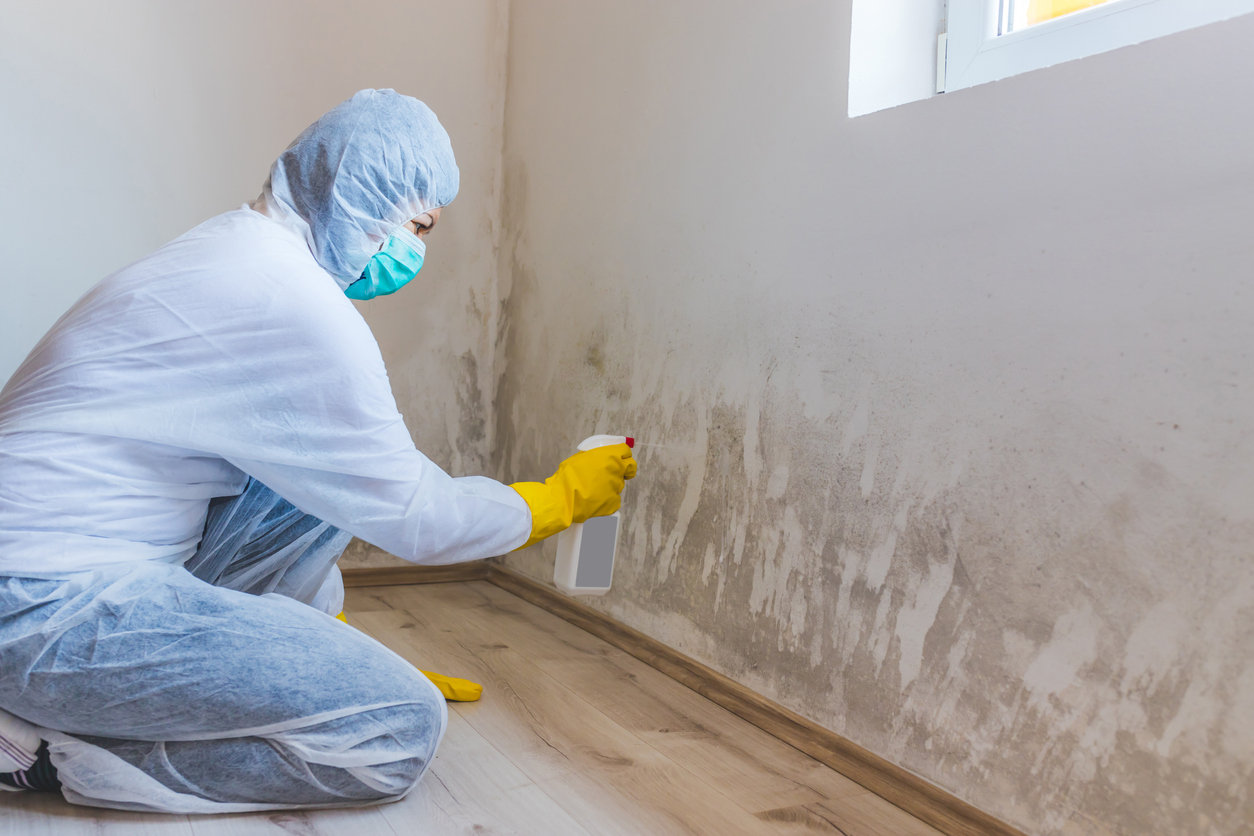 Is Mold a Legal, Health, or Safety Concern in Alabama Homes? What Property Owners Should Know
Mold is not simply a cosmetic issue it carries significant implications across health, indoor air quality, and property responsibility. In Alabama, where environmental conditions often support mold growth, understanding these risks is critical for property owners.
Health Risks Associated with Mold Exposure
Exposure to mold can affect individuals differently depending on sensitivity, duration, and environmental conditions. Common health concerns include respiratory irritation, coughing, wheezing, and nasal congestion. For individuals with asthma or allergies, mold exposure can intensify symptoms and trigger more frequent episodes.
Certain populations are more vulnerable, including children, elderly individuals, and those with compromised immune systems. Long-term exposure in indoor environments can lead to persistent discomfort, fatigue, and reduced overall well-being.
Impact on Indoor Air Quality
Indoor air quality plays a major role in how safe and comfortable a home feels. Mold releases microscopic spores into the air, which can circulate through HVAC systems and settle on surfaces throughout the property. These airborne particles often go unnoticed but can significantly degrade air quality over time.
Even when mold is not visible, indoor environments may still be affected. Poor air quality can contribute to headaches, throat irritation, and difficulty breathing especially in enclosed spaces with limited ventilation.
Safety and Structural Concerns
Beyond health, mold can also impact the safety of a home. Over time, it can weaken materials such as drywall, wood framing, and insulation. While this process may not be immediately visible, prolonged exposure can contribute to deterioration in structural components.
This makes mold not just a surface-level issue, but one that can influence the long-term integrity of a property.
Legal and Responsibility Considerations
In Alabama, property owners and landlords are expected to maintain habitable living conditions. While mold-specific laws may not be highly detailed, general housing standards require addressing environmental conditions that may impact tenant safety and health.
Failure to address mold concerns can lead to disputes, tenant dissatisfaction, or potential liability. For landlords, maintaining a safe environment is not only a responsibility but also a key factor in tenant retention and trust.
Understanding mold as a combined legal, health, and safety concern allows property owners to take it seriously and act proactively when needed.
How Mold Starts After Water Damage and the Early Warning Signs Most Alabama Homeowners Miss
Mold growth is closely tied to moisture. In Alabama homes, water damage is one of the most common triggers that leads to mold development, often in ways that are not immediately visible.
The Link Between Water Damage and Mold Growth
When water enters a home whether from leaks, flooding, roof damage, or humidity, it creates a damp environment where mold can thrive. Within 24 to 48 hours, mold spores can begin to grow on materials that retain moisture, such as drywall, carpeting, wood, and insulation.
Even small amounts of trapped moisture can lead to mold growth if not properly addressed. This makes early awareness especially important for homeowners.
Early Visible Signs of Mold
Some of the first indicators of mold are visible changes within the home environment. These may include:
Dark spots or discoloration on walls and ceilings
Peeling paint or bubbling surfaces
Warped flooring or baseboards
Water stains that appear repeatedly
These signs are often mistaken for simple wear and tear, but they may indicate deeper moisture-related issues.
Hidden Warning Signs Most Homeowners Miss
Not all mold is visible. In many cases, it develops behind walls, under flooring, or inside HVAC systems. Hidden signs can include:
Musty or earthy odors that persist over time
Increased allergy-like symptoms indoors
Damp or soft areas in walls or ceilings
Condensation buildup in enclosed spaces
Because these signs are subtle, they are often ignored until the problem becomes more severe.
Why Early Detection Matters
The earlier mold is identified, the easier it is to manage its spread. Delays in recognizing signs can allow mold to expand into multiple areas of the home, making the situation more complex.
If your home has experienced water damage or shows any of these warning signs, professional inspection becomes essential. Rapid Restoration offers expert inspection and mold testing services to identify hidden issues early and help you take the right next step before the problem escalates.
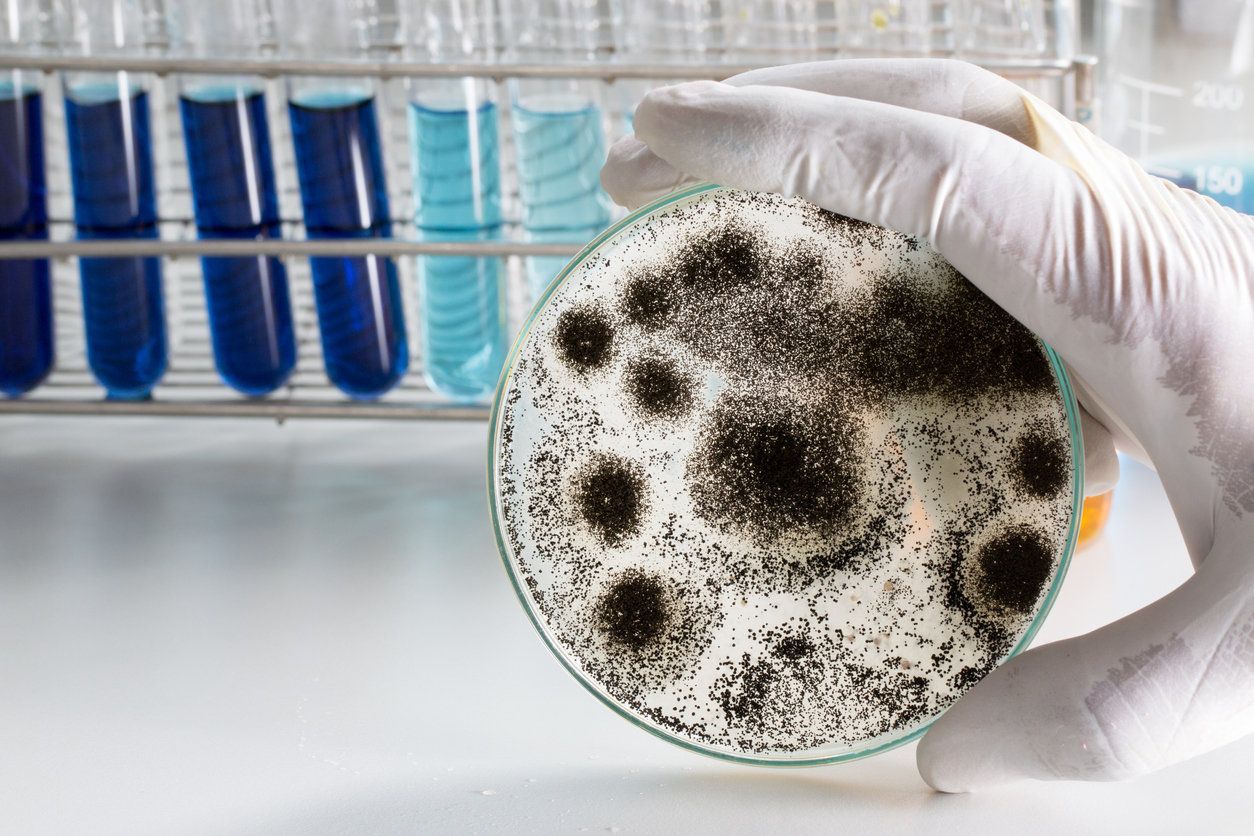 Professional Mold Testing Methods Explained: Air Sampling, Surface Testing, and Moisture Mapping
Mold testing is a critical step in understanding the presence and extent of contamination within a home. Professionals rely on a combination of advanced methods to detect mold accurately, even when it is not visible.
Air Sampling
Air sampling is used to measure the concentration of mold spores in indoor air. Technicians collect samples using specialized equipment and compare indoor levels with outdoor baselines.
This method helps determine:
Whether mold spores are present in elevated levels
The types of mold affecting the environment
The overall impact on indoor air quality
Air sampling is especially useful in cases where occupants experience symptoms but visible mold is not present.
Surface Testing
Surface testing involves collecting samples from suspected areas such as walls, ceilings, or furniture. These samples are analyzed to confirm mold presence and identify specific types.
This approach provides:
Confirmation of contamination on surfaces
Insight into how far mold has spread
Data that supports further decision-making
Surface testing is often used alongside visual inspection to validate findings.
Moisture Mapping
Moisture mapping plays a key role in identifying areas where mold is likely to develop. Using tools such as moisture meters and thermal imaging cameras, professionals can detect hidden dampness behind walls and under flooring.
This method helps:
Locate moisture sources
Identify hidden problem areas
Prevent future mold growth by addressing underlying conditions
Why Multiple Methods Matter
No single testing method provides a complete picture. By combining air sampling, surface testing, and moisture mapping, professionals can accurately assess both visible and hidden mold conditions.
Contact Rapid Restoration for advanced testing techniques to deliver reliable insights, helping homeowners understand the true condition of their property before making decisions about next steps.
Why Professional Mold Remediation Is More Effective Than DIY Cleaning
When mold appears in a home, it’s natural for property owners to consider handling it themselves. DIY cleaning often seems like a quick and cost-effective solution. However, mold is rarely just a surface issue; it is a spreading biological contaminant that can exist in hidden areas and affect indoor air quality. This is where the difference between DIY efforts and professional mold remediation becomes clear.
The Limitations of DIY Mold Removal
Most DIY approaches focus on what is visible, cleaning mold from walls, ceilings, or other exposed surfaces using household products. While this may improve appearance temporarily, it does not address the full scope of contamination.
Key limitations include:
Hidden mold growth behind walls, under flooring, or within insulation remains untreated
Disturbing mold during cleaning can release microscopic spores into the air, increasing spread
Lack of proper containment allows spores to migrate to unaffected areas
Standard cleaning solutions may not fully eliminate mold at its source
Because of these limitations, DIY efforts often lead to recurring mold problems, sometimes more extensive than the original issue. What appears resolved on the surface can continue to develop out of sight.
What Professionals Do Differently
Professional mold remediation takes a controlled and comprehensive approach. Instead of focusing only on visible mold, experts assess the entire environment to understand the extent of contamination and the conditions allowing it to grow.
Key differences include:
Controlled containment systems that isolate affected areas and prevent cross-contamination
Advanced air filtration technology, such as HEPA filtration, to capture airborne spores and improve indoor air quality
Targeted treatment strategies informed by professional testing and environmental analysis
Strict safety protocols that reduce exposure risks for occupants and workers
Moisture-focused solutions that address the conditions contributing to mold growth
This approach ensures that both visible and hidden mold are managed effectively, rather than temporarily suppressed.
Long-Term Results vs Short-Term Fixes
The most important distinction lies in outcomes. DIY cleaning is often a short-term fix, improving appearance without resolving the underlying issue. In contrast, professional mold remediation is designed for long-term stability, addressing contamination at its source and reducing the likelihood of recurrence.
By combining remediation with a deeper understanding of environmental conditions, professionals help create a healthier indoor space that remains stable over time. This not only protects the property but also supports better air quality and overall living conditions.
For homeowners seeking a reliable and effective solution, Rapid Restoration stands out as a trusted provider. Our team’s expertise in mold remediation ensures that the issue is handled safely, thoroughly, and with long-term protection in mind, giving property owners confidence that the problem is truly resolved, not just temporarily hidden.
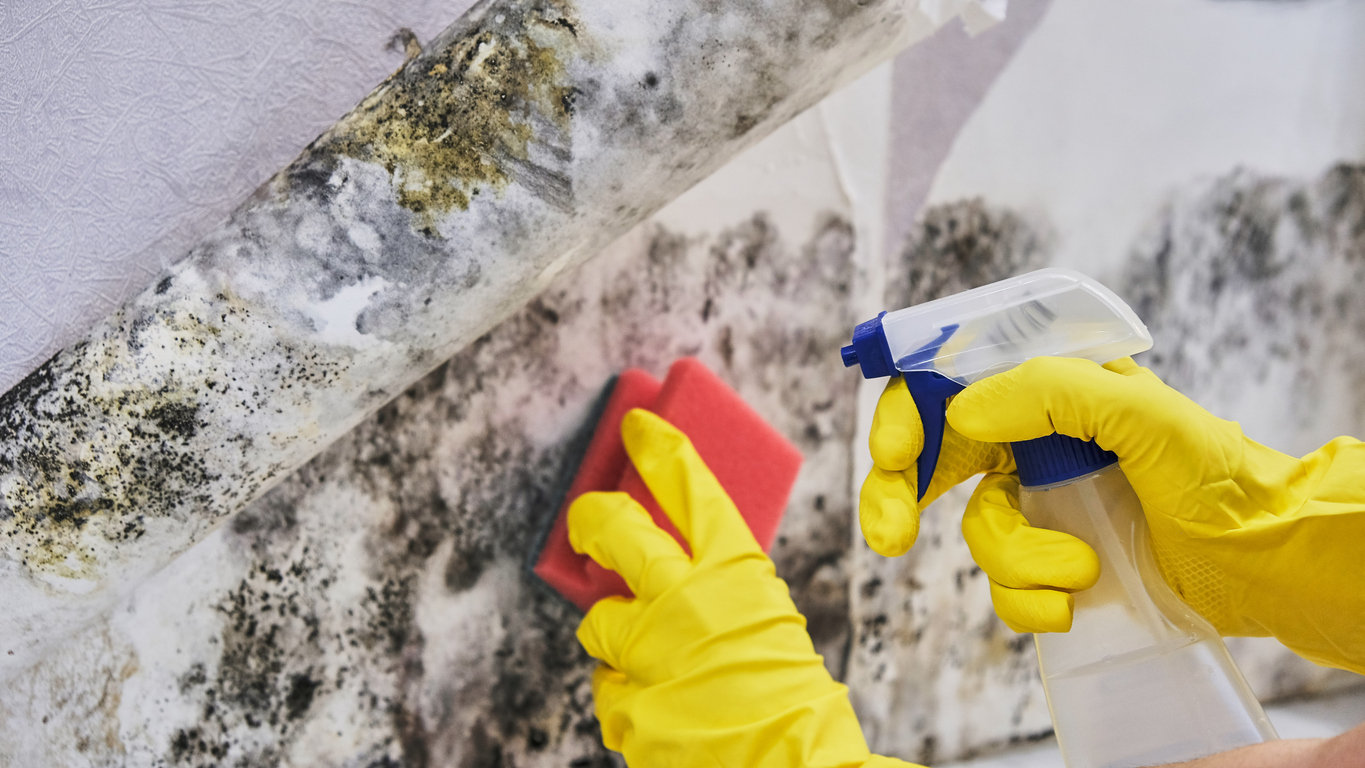 How Much Does Mold Remediation Cost in Alabama and What Impacts the Price
The cost of mold remediation in Alabama can vary significantly based on the unique conditions within each property. Mold is not a one-size-fits-all issue, and pricing reflects the complexity, extent, and environment in which the contamination exists. By understanding the key cost drivers, homeowners can better prepare for what to expect and make informed decisions about their property.
Key Factors That Influence Cost
Several elements directly impact the overall cost of mold remediation:
1. Size of the Affected Area
Larger contaminated areas require more time, labor, and equipment, increasing the overall scope of remediation.
2. Severity of Contamination
Surface-level mold is generally less complex to address than widespread growth that affects multiple rooms or penetrates structural components.
3. Type of Materials Affected
Porous materials such as drywall, insulation, and carpeting tend to absorb moisture and mold more deeply, often requiring more intensive remediation compared to non-porous surfaces.
4. Accessibility of the Area
Locations like crawl spaces, attics, or behind walls can be more difficult to reach, which increases labor effort and time.
5. Extent of Moisture Damage
Mold is often linked to moisture problems. If water damage is significant, additional remediation may be required to stabilize the environment before addressing the mold itself.
6. Testing and Inspection Needs
Professional testing ensures accurate identification of mold presence and spread. While it adds to the cost, it helps create a more targeted and effective remediation plan.
Why Costs Vary from Home to Home
Every property presents a different combination of layout, environmental conditions, and level of contamination. These variables make it impractical to provide fixed pricing without a proper evaluation. What may be a minor issue in one home could be far more extensive in another due to hidden damage or prolonged exposure.
Because of this, professional assessments are essential for determining accurate costs. They ensure that all factors, both visible and hidden, are taken into account before any remediation plan is developed.
For homeowners looking to understand their specific situation, contacting Rapid Restoration for an inspection and estimate is the most effective way to receive accurate, customized pricing tailored to their property’s needs.
How to Prevent Mold from Coming Back After Remediation in Alabama Homes
After mold remediation is completed, the focus naturally shifts from removal to prevention. While remediation addresses existing contamination, long-term protection depends on maintaining the right indoor conditions. In Alabama’s humid climate, controlling moisture and airflow is essential to ensure mold does not return.
Moisture Control Strategies
Moisture is the primary factor that allows mold to grow, so managing it effectively is the most important step in prevention. Even small amounts of excess moisture can create the conditions needed for mold to reappear.
Key strategies include:
Fixing leaks promptly, whether from plumbing, roofing, or appliances
Using dehumidifiers in areas prone to dampness, such as basements or crawl spaces
Monitoring indoor humidity levels, ideally keeping them within a safe range to discourage mold growth
Consistent moisture control not only prevents mold but also helps preserve the integrity of building materials over time.
Improving Ventilation
Proper ventilation plays a critical role in reducing humidity and preventing stagnant air. Areas like bathrooms, kitchens, and laundry rooms are especially vulnerable due to frequent moisture exposure.
Installing or maintaining exhaust fans, vents, and airflow systems helps remove excess humidity before it can settle into surfaces. In enclosed or poorly ventilated spaces, even small improvements in airflow can significantly reduce the risk of recurring mold.
Routine Maintenance
Ongoing maintenance is a proactive way to catch issues early. Regularly inspecting key areas of the home, such as plumbing lines, roofing systems, and HVAC units, can help identify minor concerns before they develop into larger problems.
Preventive maintenance also ensures that systems responsible for controlling moisture and airflow continue to function efficiently, supporting a stable indoor environment.
Smart Material Choices
For homeowners undertaking repairs or renovations, choosing the right materials can make a long-term difference. Moisture-resistant drywall, treated wood, and mold-resistant paints are designed to withstand humid conditions and reduce the likelihood of mold growth.
These materials add an extra layer of protection, especially in areas that are naturally more exposed to moisture.
Consistent Preventive Habits
Daily habits play a bigger role than many homeowners realize. Simple actions such as ensuring proper airflow, avoiding prolonged dampness, and addressing spills or condensation quickly can prevent conditions that allow mold to develop.
Consistency is key. Small, routine efforts help maintain the results of remediation and reduce the chances of future issues.
Long-Term Protection and Support
Preventing mold is an ongoing process that benefits from periodic professional insight. For homeowners seeking continued protection and peace of mind, Rapid Restoration offers inspection and support services designed to help maintain a mold-free environment over time.
By combining moisture control, ventilation, maintenance, and smart choices, Alabama homeowners can protect their property long after remediation is complete, ensuring a healthier, more stable living space for years to come.
How Long Does Mold Remediation Take in Alabama Homes and What to Expect at Each Stage
Understanding the timeline for mold remediation helps homeowners set realistic expectations and plan accordingly.
Typical Stages of Mold Remediation
Inspection and Assessment
The process begins with identifying the extent of mold and affected areas.
Containment Setup
Measures are put in place to prevent mold from spreading during the process.
Treatment Phase
Mold is addressed using specialized techniques and equipment.
Air Cleaning and Surface Cleaning
Air quality is improved, and affected areas are cleaned.
Final Evaluation
A final inspection ensures that the issue has been resolved.
Estimated Timelines
Small areas: 1 to 3 days
Moderate cases: 3 to 7 days
Extensive contamination: 1 to 2 weeks or more
Factors That Influence Timeline
Size of the affected area
Severity of mold growth
Accessibility of impacted spaces
Environmental conditions
Each project is unique, and timelines may vary based on these factors.
For a smooth and well-managed experience, working with a professional team makes a significant difference. Rapid Restoration provides guidance throughout each stage, ensuring clarity and efficiency from start to finish.
By understanding mold, recognizing risks, and investing in professional remediation when needed, Alabama homeowners can protect their property, health, and long-term living environment.
Final Thoughts
Mold is more than a surface-level concern; it affects indoor air quality, structural integrity, and overall living conditions. For Alabama homeowners, where humidity and moisture are common challenges, understanding how mold develops and how it should be addressed is essential for protecting both property and health.
This guide highlights the importance of recognizing early warning signs, investing in accurate mold testing, and choosing a comprehensive remediation approach rather than temporary fixes. From identifying hidden contamination to ensuring long-term prevention, every step plays a role in creating a safe and stable environment.
For those navigating mold concerns, having the right support makes all the difference. Rapid Restoration brings the experience, tools, and structured approach needed to handle mold testing and remediation with confidence. Their focus on accuracy, safety, and long-term results helps ensure that your home is not only restored but also protected moving forward.
Taking action early and choosing the right approach allows Alabama homeowners to move forward with clarity, comfort, and peace of mind.