
Expert Water Damage, Mold, and Leak Detection Services in Homewood, AL
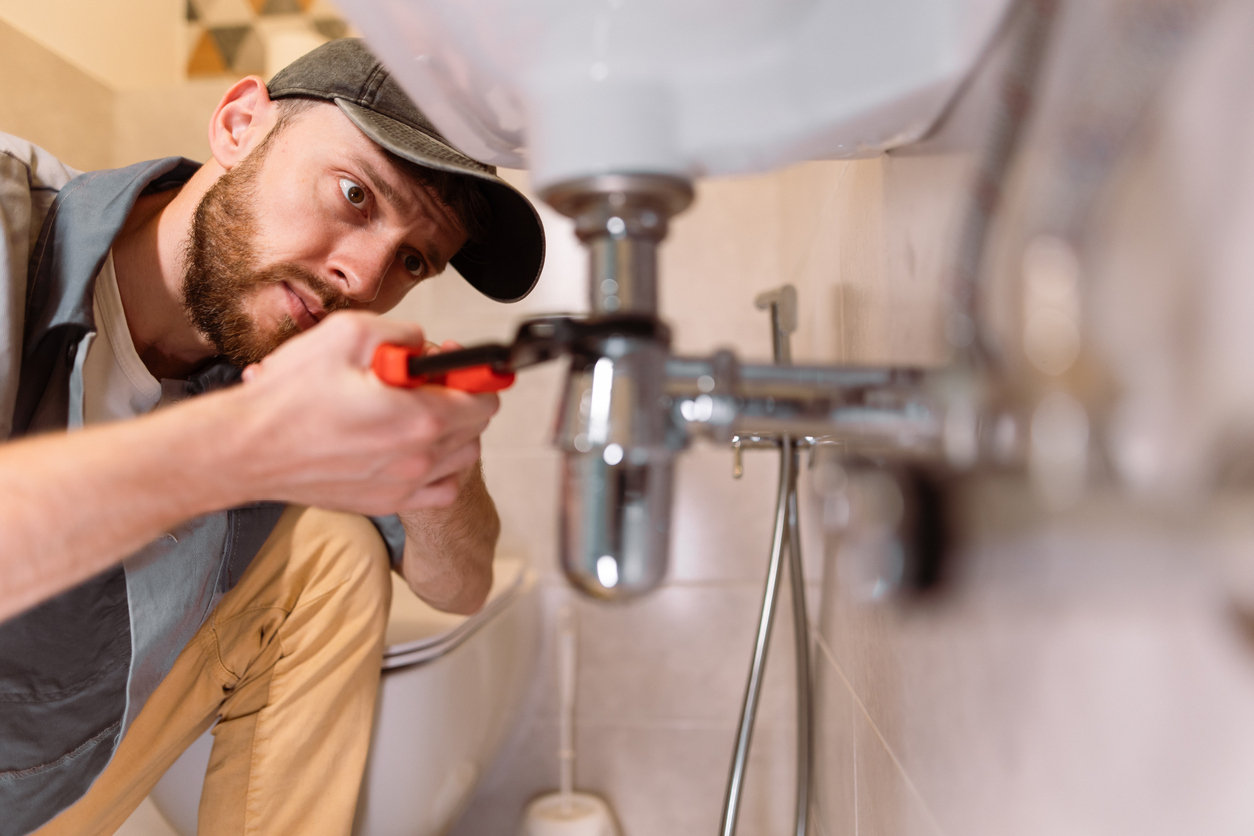 Properties in Homewood are constantly exposed to conditions that can gradually impact their structure and indoor environment. From seasonal humidity to aging infrastructure, many of these factors work quietly in the background, often going unnoticed until visible damage appears. What starts as minor moisture buildup or a small leak can slowly develop into more serious concerns such as water damage, mold growth, and structural weakening.
At Rapid Restoration, we help property owners understand the common risks associated with water damage, mold growth, and hidden leaks. From water mitigation and cleanup to mold testing and remediation and leak detection, taking quick action plays a critical role in protecting your property and preventing issues from escalating.
Common Property Risks in Homewood That Lead to Water Damage, Mold, and Structural Issues
Properties in Homewood face a range of environmental and structural challenges that can quietly develop into serious concerns over time. While some risks are visible, many remain hidden until the damage becomes extensive. Understanding how these issues begin and how they evolve helps property owners stay aware of potential threats related to water damage, mold, and long-term structural deterioration.
Aging plumbing systems are another major factor contributing to water damage in Homewood properties. Many homes still rely on older pipes that may have experienced years of wear, corrosion, or mineral buildup. These pipes are more prone to developing small cracks or weak joints. Initially, these issues may present as minor drips or slow leaks that go unnoticed. However, even a small leak can release a surprising amount of water over time, leading to hidden water damage behind walls or under flooring.
Mold thrives in environments where moisture and organic materials are present. Once it begins to grow, it can spread quickly across surfaces like drywall, wood, and carpets. What starts as a small patch can expand into a widespread issue affecting multiple areas of the property. Mold not only damages materials but also signals deeper moisture problems that require attention. In many cases, visible mold is just the surface-level indication of a much larger hidden issue.
Structural concerns often develop as a result of prolonged exposure to water damage. Wooden beams, flooring systems, and support structures begin to weaken when consistently exposed to moisture. Over time, this can lead to warping, sagging, or even partial collapse in severe situations. In Homewood properties, especially those with aging infrastructure, these risks are heightened when leaks and moisture problems are not identified early.
Another overlooked risk is the gradual deterioration of sealants and waterproofing materials. Around windows, doors, and plumbing fixtures, these materials are designed to prevent water intrusion. However, they naturally degrade over time due to temperature changes and wear. Once these seals fail, water can enter small gaps and slowly spread into surrounding areas. This type of leak is often subtle but can lead to significant water damage if ignored.
Appliances also play a role in hidden water risks. Washing machines, dishwashers, and water heaters can develop leaks due to hose failures or internal malfunctions. In many Homewood homes, these appliances are placed in areas where leaks may not be immediately visible, such as utility rooms or closets. A slow leak from an appliance can go unnoticed for extended periods, leading to extensive damage beneath floors or behind walls.
Reach out to our team for professional water mitigation and cleanup, mold remediation, and leak detection support in Homewood.
Comprehensive Solutions for Water Damage, Mold, and Leak Challenges in Homewood
Addressing property challenges requires a well-rounded approach that considers multiple aspects of damage and recovery. From water damage to mold concerns and hidden leak issues, each situation demands targeted attention. Below is a structured overview of key solutions that help manage and resolve these challenges effectively.
Water Mitigation and Cleanup
Water mitigation focuses on controlling and reducing the impact of water damage in Homewood, especially in areas prone to flooding. This includes removing excess water, drying affected areas, and stabilizing the environment to prevent further deterioration. In Homewood, where water damage can escalate rapidly, timely cleanup helps limit the spread of moisture and reduces the risk of long-term structural issues.
Mold Testing and Remediation
Mold testing identifies the presence and extent of mold growth within a property, especially in hidden or hard-to-reach areas. Remediation then addresses the removal and containment of mold to restore a safe indoor environment. In Homewood properties, this step is essential when moisture issues persist, ensuring that mold does not continue to spread or cause further damage.
Leak Detection
Leak detection involves locating both visible and hidden leaks within water lines, walls, foundations, and other affected areas. Early leak detection helps identify the source of water intrusion before it causes extensive damage. In Homewood properties, finding leaks quickly is critical for reducing water damage, limiting moisture-related issues, and supporting effective mitigation efforts.
For property owners dealing with water damage, mold concerns, or hidden leaks, working with experienced professionals can make a significant difference. Rapid Restoration provides water mitigation and cleanup, mold remediation, and leak detection services tailored to the needs of Homewood properties.
Why Quick Action Matters for Water Damage in Homewood Properties
When water damage occurs, time becomes one of the most critical factors influencing the outcome. In Homewood properties, even a short delay in addressing water-related issues can lead to escalating complications that affect both the structure and overall mitigation effort. Acting quickly is not just about convenience; it directly impacts the severity, cost, and scope of damage, making timely water mitigation and cleanup critical.
One of the most immediate consequences of delayed action is rapid mold growth. Mold can begin developing within 24 to 48 hours after moisture exposure. Once it starts spreading, it becomes increasingly difficult to control. In Homewood environments where humidity can already be elevated, mold growth accelerates even faster. What might have been a contained issue can quickly expand across walls, ceilings, and hidden cavities.
Structural damage is another major concern tied to delays. Water weakens materials over time, especially wood and drywall. The longer these materials remain saturated, the more their integrity deteriorates. Floors may begin to warp, walls can soften, and support structures may weaken. In Homewood homes, this can lead to significant restoration challenges that go beyond surface-level repairs.
Delays also contribute to increased restoration costs. When water damage is addressed early, the focus is often on cleanup and minor repairs. However, as time passes, the scope expands to include mold remediation, structural repairs, and material replacement. This progression significantly increases the overall scope of water mitigation, mold remediation, cleanup efforts, and associated costs.
Hidden damage becomes more pronounced when action is postponed. Water often travels beyond the visible area, seeping into adjacent spaces. Without prompt attention, this hidden moisture continues to spread, affecting insulation, subflooring, and internal frameworks. By the time visible signs appear, the underlying damage may already be extensive.
Quick action helps:
Reduce the spread of water damage throughout the property
Minimize mold growth and contamination risks
Preserve structural integrity and prevent long-term issues
Lower overall cleanup time and mitigation costs
Support faster water damage recovery outcomes
FAQs
How fast should water damage be addressed?
Water damage should ideally be addressed within the first 24 hours. Acting within this timeframe significantly reduces the risk of mold growth and limits the extent of structural damage in Homewood properties.
Can small leaks lead to bigger problems?
Yes, even a minor leak can lead to serious water damage over time. Small leaks often go unnoticed, allowing moisture to accumulate and create conditions for mold and structural weakening.
Does delaying action increase water damage cleanup costs?
Delays almost always increase costs. The longer water damage persists, the more extensive the water mitigation, cleanup, mold remediation, and material replacement needs become.
For Homewood property owners, responding quickly to water damage is essential to maintaining both safety and value. If you’re dealing with water damage or suspect hidden issues, taking immediate steps can make a significant difference. Get the customized estimation today.
Bottom Line
Properties in Homewood are exposed to a variety of risks that can quietly evolve into serious concerns if left unaddressed. From moisture buildup and aging plumbing to hidden leaks and environmental factors, the path from minor issues to major water damage is often gradual but impactful.
To learn more or get assistance, contact Rapid Restoration, Professional water mitigation and cleanup, mold testing and remediation, and leak detection services play a vital role in maintaining property stability. Early intervention helps contain damage, reduce costs, and protect the long-term condition of Homewood properties. In a setting like Homewood, where environmental and structural factors often intersect, awareness combined with timely response is key to preventing long-term water damage and moisture-related issues.