

Water Mitigation and Cleanup in Alabama: Fast Help for Homeowners
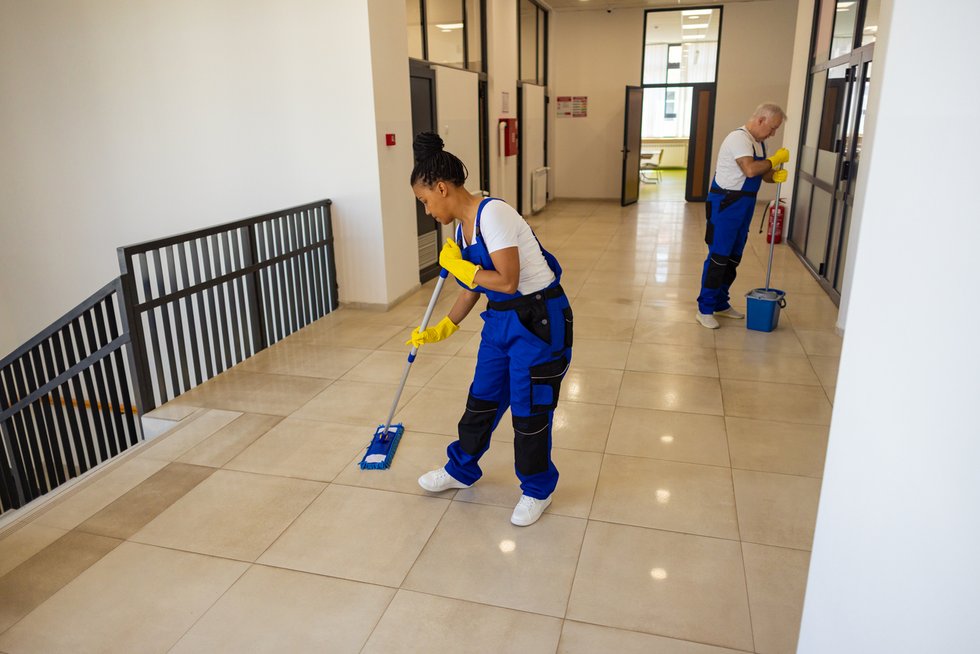 Water damage can escalate faster than most homeowners expect. What begins as a leak, overflow, or storm-related intrusion can quickly affect flooring, walls, electrical systems, and indoor air quality. In Alabama, where humidity levels are high and weather patterns can be unpredictable, the impact of water exposure often extends beyond what is immediately visible.
This is where professional water mitigation and cleanup in Alabama becomes essential. The goal is not just to remove standing water, but to control moisture, prevent secondary damage, and stabilize the property before deeper structural issues develop. Without timely intervention, water can weaken materials, create conditions for mold growth, and increase the complexity of restoration.
At Rapid Restoration, the approach focuses on speed, precision, and containment. From initial assessment to complete drying and cleanup, each step is handled with the intent to reduce damage and restore normalcy as efficiently as possible. Join us as we explore how water mitigation and cleanup work, what influences damage and recovery, and how the right response can protect your property from long-term impact.
Why Immediate Water Mitigation Is Critical for Alabama Properties
Water damage doesn’t stay contained; it spreads quickly, silently affecting multiple parts of your home. In Alabama, where humidity levels are high, even a small amount of water can escalate into a serious problem within hours. Acting fast with proper water mitigation and cleanup is not just about removing water; it’s about protecting your home’s structure, air quality, and long-term value.
Water spreads faster than most homeowners expect
When water enters your home, whether from leaks, flooding, or plumbing issues, it begins to move through floors, walls, and insulation almost immediately. Porous materials like wood, drywall, and carpet absorb water quickly, allowing damage to extend beyond the visible area.Structural damage begins within hours, not days
Prolonged exposure to water weakens the structural integrity of your home. Wood can warp, drywall can soften, and foundations may become compromised. In Alabama’s climate, this process accelerates, making early water mitigation essential to prevent long-term damage.Mold growth can start in less than 24–48 hours
Moist environments create ideal conditions for mold. Once mold begins to grow, it spreads rapidly and affects indoor air quality. This can lead to health concerns, especially for homeowners with allergies or respiratory issues. Timely cleanup significantly reduces this risk.Hidden moisture leads to long-term problems
Even after visible water is gone, moisture can remain trapped behind walls or under flooring. Without proper water mitigation and cleanup, this hidden moisture continues to cause damage over time, leading to costly repairs later.Delaying action increases repair costs and complexity
The longer water sits, the more extensive the damage becomes. What could have been a simple cleanup can turn into a major restoration involving structural repairs, mold remediation, and replacement of materials.
When water damage strikes, every minute counts. Rapid Restoration provides fast, reliable water mitigation and cleanup in Alabama, helping homeowners act quickly, minimize damage, and restore their property before issues escalate.
Common Causes of Water Damage in Alabama Homes and How They Impact Different Areas
Water damage in Alabama homes often stems from a mix of environmental conditions and internal system failures. Understanding the root causes helps homeowners identify risks early and protect different areas of their property from long-term damage.
1. Severe Storms and Heavy Rainfall
Alabama frequently experiences intense storms and heavy rainfall, which can overwhelm drainage systems and lead to water intrusion. Roof leaks, clogged gutters, and poor exterior sealing allow water to enter attics and walls. Over time, this affects insulation, ceilings, and even electrical systems, increasing the risk of structural damage and indoor moisture buildup.
2. Plumbing Failures and Hidden Leaks
One of the most common causes of water damage is plumbing failure. Burst pipes, leaking joints, or worn-out connections can release water behind walls or under floors. Since these leaks are often hidden, they go unnoticed until damage becomes visible. Areas like bathrooms, kitchens, and basements are especially vulnerable, where continuous water exposure can weaken materials and cause long-term deterioration.
3. Appliance Malfunctions and Water Line Issues
Household appliances such as washing machines, dishwashers, and refrigerators rely on water lines that can fail over time. A cracked hose or faulty connection can lead to sudden leaks, flooding nearby areas. These incidents typically impact flooring, cabinets, and adjacent walls, causing both visible damage and hidden moisture buildup.
4. Roof Damage and Poor Maintenance
Damaged or aging roofs are a major entry point for water. Missing shingles, cracks, or poor sealing allow rainwater to seep into the attic and upper levels of the home. This often leads to ceiling stains, mold growth, and compromised structural components. Without regular maintenance, small roofing issues can quickly escalate into widespread water damage.
5. Case Study: How a Minor Issue Became a Major Problem
A homeowner in Alabama experienced a small leak from a washing machine hose. Initially dismissed as minor, the leak continued unnoticed behind the appliance. Over time, water spread beneath the flooring and into nearby walls. By the time the issue was discovered, the damage required extensive water mitigation and cleanup, along with flooring replacement and wall repairs. This case highlights how even small, common issues can impact multiple areas of a home when not addressed early.
By understanding these common causes, homeowners can better identify risks, protect vulnerable areas, and take proactive steps to minimize water damage in their homes.
How Water Damage Affects Different Parts of Your Alabama Home
Water damage rarely stays in one place. Once water enters a property, it can spread through multiple materials and areas, affecting both visible surfaces and hidden components. For homeowners in Alabama, high humidity and seasonal storms can accelerate the impact of water damage, making timely cleanup and moisture control especially important.
Flooring and Carpets: Flooring is often one of the first areas affected by water damage. Carpets absorb moisture quickly, while hardwood and laminate flooring can warp, swell, or deteriorate when exposed to excess water. Prompt cleanup helps reduce long-term damage and preserve affected materials.
Walls and Drywall: Water can travel through drywall and wall cavities, causing staining, bubbling paint, and weakened structural integrity. If moisture remains trapped, it may create conditions that support mold growth and further deterioration.
Ceilings and Insulation: Roof leaks, appliance failures, and water intrusion from upper levels can affect ceilings and insulation. Over time, water damage may lead to sagging materials, discoloration, and reduced insulation performance.
Foundations and Structural Components: Prolonged water exposure can affect foundational elements and structural materials throughout the home. In Alabama, frequent rainfall and humid conditions can worsen moisture-related issues, increasing the risk of long-term damage if water mitigation and cleanup are delayed.
Indoor Air Quality and Personal Belongings: Water damage can also impact indoor air quality by increasing humidity and creating conditions for mold. Furniture, stored items, electronics, and personal belongings may be affected when water spreads beyond the initial source.
Water damage affects far more than the area where the problem begins. For Alabama homeowners, understanding how moisture spreads throughout a property reinforces the importance of timely cleanup, effective drying, and proactive measures that help protect homes from long-term damage.
Understanding Water Damage Categories and Why Contamination Levels Matter
Not all water damage is the same. The level of contamination determines how dangerous the situation is, how quickly it must be addressed, and the potential impact on your home and health. For homeowners in Alabama, understanding these categories helps you respond appropriately and avoid unnecessary risks.
Clean Water: Low Risk but Time-Sensitive
Clean water comes from sources like broken pipes, sink overflows, or appliance leaks. At this stage, the water is not contaminated and poses minimal health risk. However, in Alabama’s humid conditions, clean water can quickly degrade if left untreated. Within a short time, it can mix with dust, debris, or bacteria, increasing the risk level. Acting early prevents it from escalating into a more serious issue.
Grey Water: Moderate Risk with Contaminants
Grey water contains impurities that may cause illness or discomfort. It typically comes from sources like washing machines, dishwashers, or bathroom fixtures. While not immediately hazardous, grey water carries bacteria, chemicals, and organic matter that make it unsafe for direct contact. If it spreads across surfaces or remains stagnant, it can worsen indoor conditions and lead to further contamination.
Black Water: High Risk and Serious Health Hazard
Black water is the most dangerous category and includes sewage backups, floodwater, or water from external sources carrying harmful contaminants. This type of water contains bacteria, pathogens, and toxins that can cause severe health issues. Exposure to black water can affect indoor air quality and create unsafe living conditions. Immediate attention is critical to minimize risks.
Why Contamination Levels Matter More Than You Think
The category of water damage directly impacts the level of response required. What may appear as a minor issue could actually involve contaminated water, increasing both health and structural risks. Misjudging the contamination level can lead to improper handling, allowing the problem to worsen over time.
Not sure what type of water damage you’re dealing with? Schedule a call to get expert clarification and make informed decisions for your home.
What Happens During a Professional Water Mitigation and Cleanup Process?
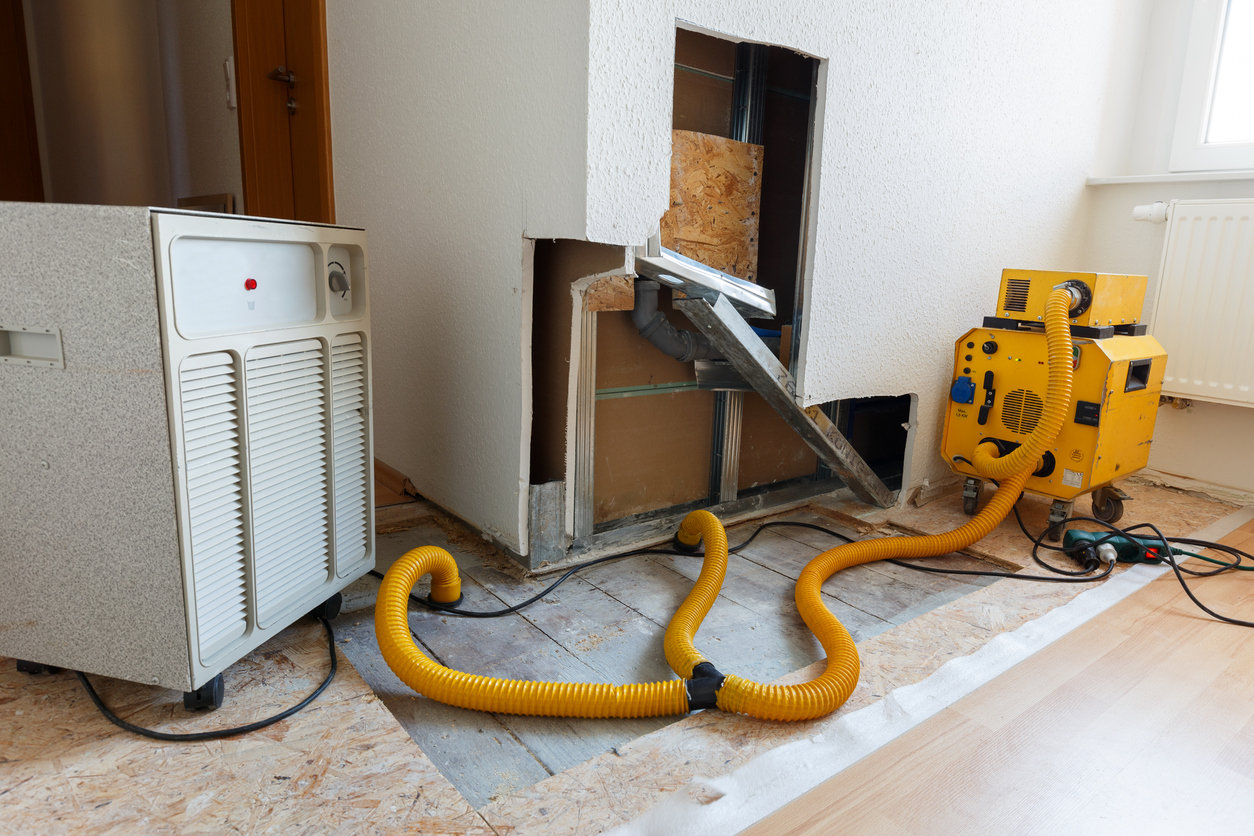 When water damage occurs, a structured and professional approach is essential to prevent further issues. Water mitigation and cleanup in Alabama follow a systematic process designed to remove water, eliminate moisture, and restore a safe environment for your home.
Inspection and Damage Assessment
The process begins with a thorough inspection of the affected areas. Professionals assess the extent of water damage, identify the source, and determine how far moisture has spread. Advanced tools like moisture meters and thermal imaging help detect hidden water behind walls and under flooring. This step ensures that no affected area is overlooked and sets the foundation for an effective cleanup plan.
Water Extraction and Removal
Once the assessment is complete, the next priority is removing standing water. High-powered pumps and vacuums are used to extract water quickly from floors, carpets, and other surfaces. Fast water removal is critical because the longer water remains, the more damage it can cause to your home’s structure and materials.
Drying and Dehumidification
After water extraction, the focus shifts to drying out the property completely. Industrial-grade air movers and dehumidifiers are strategically placed to remove moisture from the air and affected materials. This step is especially important in Alabama, where humidity can slow down natural drying and allow moisture to linger. Proper drying prevents warping, swelling, and hidden damage.
Cleaning and Sanitization
Once the area is dry, cleaning and sanitization are carried out to ensure a safe living environment. Surfaces are treated to remove contaminants, bacteria, and odors caused by water damage. This step is essential for maintaining indoor air quality and preventing potential health risks.
Final Checks and Moisture Monitoring
Before completing the process, professionals perform final checks to confirm that all moisture has been eliminated. Continuous monitoring ensures that the affected areas are fully dry and safe, reducing the chances of recurring issues.
Need clarity on what to expect? Trust Rapid Restoration for professional water mitigation and cleanup in Alabama. Get expert assessment, transparent guidance, and fast action to restore your home the right way.
How Much Does Water Mitigation and Cleanup Cost in Alabama, and What Affects Pricing?
The cost of water mitigation and cleanup in Alabama can vary widely depending on several factors. While homeowners often look for a fixed estimate, the reality is that every situation is different. Understanding what drives the cost helps you make informed decisions and avoid unexpected expenses.
Severity of Water Damage: The extent of the damage is one of the biggest cost drivers. A small, localized water issue will require less effort compared to widespread flooding that affects multiple rooms. The more water that has spread, the more resources are needed for proper mitigation and cleanup.
Type of Water Involved: The category of water, clean, grey, or black, directly impacts the complexity of the cleanup. Contaminated water requires more careful handling, additional safety measures, and thorough sanitation, which can increase the overall scope of work.
Time Taken to Address the Issue: Delays can significantly affect costs. Water that sits for longer periods leads to deeper absorption into materials, increased structural damage, and a higher risk of mold growth. Acting quickly with water mitigation and cleanup in Alabama can help keep costs under control.
Materials and Areas Affected: Different materials respond differently to water exposure. Carpets, hardwood floors, drywall, and insulation may all require varying levels of attention. The more areas affected, such as walls, ceilings, and flooring, the more extensive the cleanup effort becomes.
Accessibility and Hidden Moisture: If water reaches hard-to-access areas like behind walls, under flooring, or within structural components, additional effort is required to locate and address the issue. Hidden moisture can extend the cleanup process and impact overall costs.
Equipment and Drying Requirements: The scale of equipment needed, such as dehumidifiers, air movers, and extraction tools, depends on the severity of the situation. Larger or more complex cases require more advanced resources to ensure complete drying and effective cleanup.
Don’t let uncertainty delay action. Get a free estimate for water mitigation and cleanup in Alabama and take the first step toward protecting your home.
 Frequently Asked Questions
Many Alabama homeowners have questions about water mitigation and cleanup, especially after experiencing unexpected water damage. Understanding what to do immediately after water exposure, how to prevent future issues, and when professional help is needed can make a significant difference in protecting your property. Below are some frequently asked questions about water mitigation, cleanup, and long-term water damage prevention in Alabama.
What should homeowners do immediately after water exposure?
The first step is to act quickly to limit further damage. Shut off the water source if possible and disconnect electrical power in affected areas for safety. Remove excess water using basic methods like mopping or blotting, and increase airflow by opening windows or using fans. These early actions help reduce the impact before professional water mitigation and cleanup in Alabama begin.
How can I prevent moisture from causing long-term issues?
Moisture that lingers is the biggest threat after water exposure. Even if surfaces appear dry, hidden dampness can remain in walls, floors, and insulation. Using dehumidifiers and ensuring proper ventilation helps remove trapped moisture. This step is crucial in Alabama’s humid climate, where water can take longer to evaporate naturally.
What steps help protect my home’s structure over time?
Inspect affected areas regularly for changes such as warping, cracks, or weakening materials. Address minor repairs early to prevent them from becoming larger structural problems. Maintaining your home’s plumbing system, sealing entry points, and ensuring proper drainage around your property also reduces the risk of future water damage.
How can I avoid recurring water damage in the future?
Prevention starts with routine checks. Regularly inspect plumbing connections, appliances, roofing, and gutters for potential issues. Installing water detection devices or monitoring systems can alert you to leaks early. Consistent maintenance reduces the chances of repeated water exposure and helps protect your home long-term.
Is professional support still necessary after initial cleanup?
Yes. While immediate actions help reduce damage, professional water mitigation and cleanup ensure that hidden moisture and underlying issues are fully addressed. Experts use advanced tools to detect and resolve problems that may not be visible, preventing long-term complications.
Want to work with a team you can trust? Reach out to our team to learn more about experienced professionals who help Alabama homeowners protect their homes from long-term water damage.
Wrapping Up
Water damage is more than a temporary inconvenience; it can impact your home’s structure, safety, and long-term value if not handled correctly. From identifying early warning signs to taking swift action, every step matters. In Alabama’s climate, where moisture can quickly escalate issues, staying proactive is essential.
With the right support, water mitigation and cleanup don’t have to be overwhelming. Rapid Restoration helps homeowners take control, minimize damage, restore safety, and prevent future problems with expert care and timely response.
Don’t wait for water damage to get worse. Contact Rapid Restoration today for fast, reliable water mitigation and cleanup in Alabama, and protect your home with confidence.