
Water Damage, Mold Remediation & Leak Detection Services in Hoover
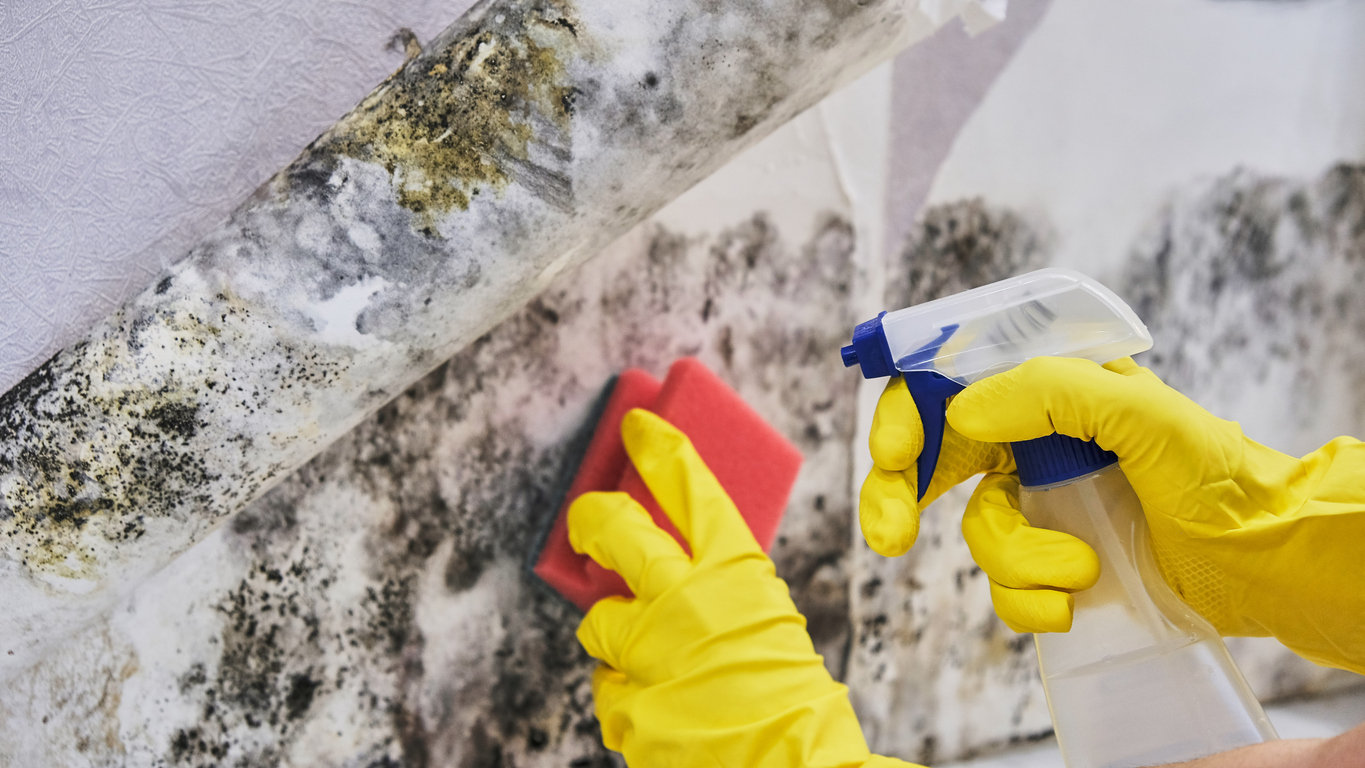 Homes and commercial spaces in Hoover rely on consistent water flow, stable indoor conditions, and well-functioning systems to stay in good shape. When something disrupts that balance, whether it is excess moisture, a hidden leak, or changes in indoor air quality, the impact can extend beyond what is immediately visible. Over time, these disruptions can affect surfaces, materials, and overall living conditions.
Rapid Restoration supports properties across Hoover with services that address water damage, mold concerns, and hidden leaks. From leak detection and water mitigation and cleanup to mold testing and remediation, each service plays a role in protecting your property and preventing further damage.
Understanding how these elements connect can help property owners take a more informed approach to maintaining their spaces. Take a closer look at how these factors influence conditions in Hoover and what steps can help you stay ahead of potential issues.
Key Indicators That Signal Water Damage, Mold, or Leak Issues in Hoover Properties
In Hoover properties, early signs that call for water mitigation and cleanup, such as moisture buildup, hidden leaks, or the onset of mold, often appear subtly before becoming visible damage. Recognizing these early indicators allows property owners to act quickly and prevent costly repairs. Use this checklist to identify potential issues caused by water before they escalate into major problems.
Unusual Stains on Walls or Ceilings
Discoloration such as yellow, brown, or dark patches on ceilings or walls is a common sign of water damage. These stains may grow over time, indicating ongoing moisture exposure or a hidden leak behind the surface.Persistent Musty or Damp Odors
A lingering musty smell indoors often signals moisture buildup. Even if no water is visible, this odor can point to mold developing in hidden areas like behind walls, under flooring, or in poorly ventilated spaces.Visible Moisture or Damp Surfaces
Damp spots on floors, walls, or carpets are clear warning signs. You may also notice condensation on windows or surfaces that shouldn’t normally retain moisture. In Hoover’s environment, this can quickly contribute to mold growth if left unchecked.Peeling Paint or Warped Materials
When water damage affects surfaces, paint may begin to bubble or peel. Wood can warp, and drywall may feel soft to the touch. These changes often indicate prolonged exposure to moisture from a leak.Sudden Changes in Water Usage
An unexpected increase in your water bill without a clear reason may point to a hidden leak. Even small leaks can waste significant amounts of water over time and lead to structural damage.Mold Spots or Discoloration
Small black, green, or white spots on walls, ceilings, or corners can indicate mold growth. These spots often appear in areas with high moisture and may spread if the underlying water issue is not addressed.Unexplained Floor or Carpet Changes
Soft, uneven, or damp flooring can signal water damage beneath the surface. Carpets may feel persistently wet or develop an unusual texture due to trapped moisture.Sounds of Dripping or Running Water
Hearing water when no fixtures are in use can indicate a hidden leak within walls or under floors. This is often one of the earliest signs of a hidden leak or water-related issue.
Recognizing these early indicators in Hoover properties can help prevent minor issues from escalating into serious water damage, including mold-related health impacts, and costly property-related concerns.
Choosing the Right Response for Water Damage in Hoover
Water issues don’t all require the same level of response. In Hoover properties, the real challenge is not just identifying water damage but deciding the right level of response before it escalates into mold or larger restoration needs.
Decision-Based Response Framework
If the situation is stable and not changing, → Then continue observation
When water presence is minimal, and conditions remain unchanged, the priority is tracking patterns, watching for spread, recurring moisture, or environmental shifts rather than immediate intervention.If the condition shows progression, → Then shift to active control
When water damage begins to expand or affect surfaces, the response should move from observation to control, focusing on limiting impact before it deepens.If the source or extent is unclear, → Then prioritize clarity over action
When signs are indirect (like odor or usage changes), the priority is understanding the situation fully rather than reacting prematurely.If multiple indicators appear together, → Then treat it as a combined issue
Water damage, mold presence, and leak-related concerns often overlap. When multiple signals appear, the response should account for interconnected risks rather than isolated fixes.If conditions impact livability or safety, → Then escalate immediately
When water damage begins affecting indoor conditions or usability, immediate mitigation, cleanup, and moisture control become essential to stabilize the property.
Quick FAQs Homeowners Ask
How quickly should water damage be addressed?
As soon as changes are observed, early evaluation helps prevent escalation.Can mold develop without visible signs?
Yes, especially when moisture exists in enclosed or hidden spaces.Is professional help always necessary?
No, but professional support becomes important when water damage, moisture issues, or mold concerns progress beyond a minor, surface-level issue.
Not sure what your situation requires? Learn more about trusted experts who handle water damage, mold, leak detection, and water mitigation and cleanup in Hoover. Reach out to our team of experts at Rapid Restoration to understand how the right support can make all the difference.
Priority Actions That Help Minimize Water Damage Costs in Hoover
Once water damage is identified, the next step is not just reacting but acting with the right priorities to reduce long-term impact and avoid unnecessary restoration costs. In Hoover properties, focusing on what matters most at each stage helps prevent escalation and keeps recovery efficient.
Immediate Actions
1. Limit Exposure and Stabilize the Space: The priority is reducing how much of your Hoover property is exposed to water. Instead of focusing only on the source, shift attention to isolating the affected zone. Close off nearby areas, restrict foot traffic, and prevent water from spreading through movement or absorption. This containment approach helps reduce how much of your property will require restoration later.
2. Safeguard Materials That Absorb Water Quickly: Certain materials like wood, drywall, and fabric absorb water faster than others. Prioritizing these areas can significantly reduce damage. Elevate or separate items that are still salvageable and prevent prolonged contact with water. Acting early here can mean the difference between simple drying and full replacement.
Short-Term Control
1. Manage Airflow and Indoor Conditions: Beyond visible water, indoor conditions play a critical role in how damage progresses. Poor airflow allows moisture to linger, increasing the chances of deeper water damage and mold development. Improving ventilation and maintaining consistent air circulation helps stabilize the environment and supports faster recovery.
2. Focus on High-Risk Zones First: Not all areas are equally affected by water. Prioritize spaces where water damage can escalate faster, such as enclosed rooms, lower levels, or areas with limited ventilation. Addressing high-risk zones first reduces the likelihood of widespread damage and helps keep cleanup and recovery efforts manageable.
Long-Term Protection
1. Reinforce Areas Previously Exposed to Water: After initial recovery, focus on strengthening areas that experienced water damage. Even if surfaces appear normal, previously affected zones are more vulnerable to future issues. Reinforcing these areas helps prevent recurring damage and reduces the risk of future water-related issues.
2. Build Awareness to Prevent Repeat Issues: Long-term cost savings come from recognizing patterns in your Hoover property. Understanding how water entered or spread without revisiting causes helps you stay alert to similar risks in the future. This awareness allows you to act faster and avoid repeated water damage and mold concerns.
Make smarter decisions before water damage turns into a bigger property challenge. Get a clear estimate and take proactive steps to protect your Hoover property.
Closing Perspective
Maintaining a property in Hoover involves more than responding to visible issues. It requires awareness of how water, moisture, and system performance interact over time and how small concerns can gradually develop into larger challenges. Recognizing these patterns early allows for more effective control and better long-term outcomes.
By focusing on the right actions at the right stage, property owners can protect both the condition and usability of their space. A structured approach ensures that concerns related to water damage, mold, moisture, and hidden leaks are addressed with clarity and consistency.
For reliable support across water damage, mold remediation, leak detection, and water mitigation and cleanup services in Hoover, contact Rapid Restoration to keep your property in optimal condition.