
On this page
Can Mold Get Into My Brand-New Alabama Home? I’m Worried About That Musty Smell
You walk into your brand-new Alabama home expecting that fresh, clean feeling, so noticing a musty smell can be unsettling. Where is it coming from? Could it be something as simple as moisture, or could mold be starting to develop somewhere out of sight?
Even a new home can have conditions that allow mold to grow. Leaks, condensation, humidity, or damp materials can sometimes create a problem before you realise it. As an Alabama homeowner, you may have questions about what that smell means and whether you should investigate further. This is where an expert like Rapid Restoration can help with mold testing and remediation, giving you a clearer understanding of what may be happening.
Let’s look at why mold can appear in a new home and what signs deserve your attention.
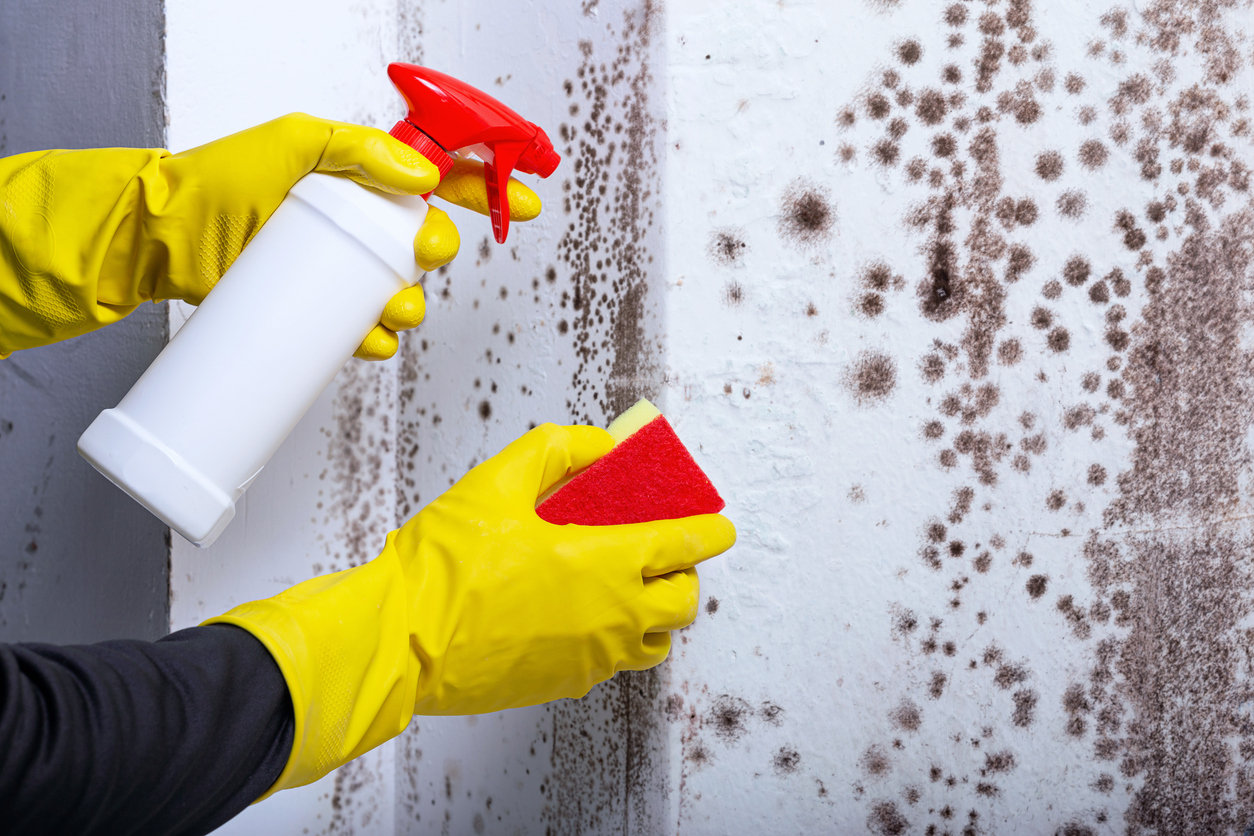 Why Can a Brand-New Alabama Home Have a Musty Smell?
A home's age does not automatically determine whether it can develop a musty smell. In Alabama, moisture, humidity, ventilation, and even conditions during construction can create an environment where mold may grow. Understanding what can cause the odor, and when that odor may point to mold, can help you decide when it is worth investigating further.
Let’s look at the questions Alabama homeowners commonly have when a new home develops a musty smell and whether mold could be behind it.
Can a New Home Really Have a Musty Smell Without Mold?
Yes. A musty smell does not automatically mean mold is growing in your home. A new Alabama home can still have areas where moisture has collected or where air doesn't circulate properly.
You may notice a musty smell when:
A home has been vacant for a period of time.
Construction materials may have been exposed to rain or humidity before the home was fully enclosed and conditioned.
Certain rooms have limited airflow.
Moisture has collected around windows, doors, or other cool surfaces inside the home (condensation)
An HVAC system that has not been circulating or removing moisture effectively, creating a stale or damp odor.
An enclosed area in the home, such as a crawl space or attic, is holding excess moisture.
The important point is that an odor by itself does not confirm mold. The smell becomes more concerning when it continues, returns after cleaning or ventilation, or appears alongside visible signs of moisture. The EPA notes that mold growth indoors is closely tied to moisture and that controlling indoor moisture and improving indoor air are two of the key ways to control mold.
Can Moisture Problems in a New Home Eventually Lead to Mold?
A musty smell does not cause mold by itself. The concern is what may be happening behind the smell. When moisture stays in a home for too long, mold can begin to grow on damp materials. The EPA recommends keeping indoor humidity below 60%, ideally between 30% and 50%, because higher humidity can increase the likelihood of mold growth.
For an Alabama home, the local climate can make moisture management an important consideration. Whether your home is in Birmingham, Hoover, or Vestavia Hills, warm and humid weather can slow drying and increase the chance that moisture lingers in enclosed areas. If a new home has moisture that is not drying properly, that condition can eventually support mold growth. The key is to pay attention to whether the musty smell continues alongside signs of dampness, rather than assuming the smell itself means mold is present.
When Should I Stop Guessing and Look for Mold?
If your new Alabama home has a musty smell that keeps returning, it is worth looking beyond the odor itself. A few patterns can help you decide when a simple moisture issue may need a closer look for mold.
Pay attention when:
The smell keeps coming back: The odor returns even after cleaning, airing out the room, or improving airflow.
The smell is concentrated: One room, closet, attic, crawl space, or HVAC area consistently has a stronger musty smell than the rest of the home.
There are visible moisture signs: Water stains, damp materials, bubbling paint, discoloration, or warped surfaces appear near the area.
The timing tells a story: The smell becomes stronger after rain, during humid weather, or when a particular part of the home stays closed.
There has been water intrusion: A leak, plumbing issue, roof problem, or other moisture event has affected the home.
For an Alabama homeowner, it can be difficult to work out whether the issue is simply excess moisture or whether mold may be developing somewhere out of sight. You do not need to start opening walls or pulling apart your home. A mold professional can assess the available signs and help determine whether mold testing and remediation should be the next step.
A persistent musty smell does not automatically mean mold, but it is a good reason to pay attention to what your home is telling you. Still unsure what is causing the musty smell in your Alabama home? Talk to Our Mold Experts and get professional guidance on what to investigate next.
What Should You Do After Mold Is Confirmed in Your New Alabama Home?
Once you know mold is present, the focus shifts from wondering what the musty smell means to deciding what needs to happen next. A new home can still have a mold issue that requires a careful, methodical response.
Here is a practical sequence Alabama homeowners can follow, based on the condition of the home and the extent of the mold problem.
Step 1: Avoid Disturbing the Affected Area
If you can see mold or know which area is affected, avoid scraping, sanding, painting over it, or moving contaminated materials around your home in Alabama. The goal is to prevent the problem from spreading while you determine the appropriate response.
This is particularly important if the affected area is near an HVAC system, attic, crawl space, or another part of the home connected to other living areas.
Step 2: Find Out Where the Moisture is Coming From
Moisture is necessary for mold to grow, so dealing with the underlying moisture problem is an important part of addressing the mold itself. Look for a leak, condensation, water intrusion, or another condition that could be keeping part of your Alabama home damp.
For example, if mold appears near a ceiling after heavy rain, the next question may be whether water is entering through the roof. If the concern is around an HVAC area, condensation or drainage may need to be investigated. When the source is difficult to identify, Rapid Restoration’s leak detection services can help locate hidden leaks in your Alabama home using non-invasive diagnostic methods.
Step 3: Understand How Far the Mold Problem Extends
What you can see may not represent the full extent of the issue. Rapid Restoration's mold process uses inspection, air sampling, surface testing, and moisture meters to identify the type and extent of mold.
For a new Alabama home, this step can be especially useful when the mold is around a wall, ceiling, flooring, or another area where moisture may have travelled beyond the visible surface.
Step 4: Keep the Affected Area Contained
Once the extent of the mold problem is understood, containing the affected area can help prevent spores from spreading into clean parts of the home. Our team’s remediation process uses containment with negative air pressure barriers to isolate affected areas.
For an Alabama homeowner, this means thinking beyond the visible patch of mold. The aim is to manage the affected part of the home without unnecessarily exposing the rest of the property.
Step 5: Remove and Clean Affected Materials Properly
The process of mold remediation is more involved than simply wiping down a surface of your home. Rapid Restoration's process includes physical removal of mold-affected porous materials such as drywall and insulation, followed by cleaning and treatment of affected surfaces. HEPA air scrubbers and negative air machines are also used to remove airborne mold spores from the contained area.
This can matter in a new home where the temptation may be to clean the visible area and assume the problem is finished.
Step 6: Check That the Home is Ready for the Next Stage
After the affected area in your Alabama home has been treated, moisture control and post-remediation clearance testing can help determine whether the remediation work has been completed appropriately.
In essence, a musty smell may have started the concern, but a structured response is what helps protect the home from a recurring mold problem.
For homeowners in Birmingham, Homewood, Hoover, Vestavia Hills, or Mountain Brook, getting the right support can make the process easier to manage while protecting the rest of the home. Rapid Restoration provides mold testing and remediation across Alabama and offers 24/7 response for property-related emergencies. Talk to the Owner to discuss your home's mold concerns and determine the next step.
A New Alabama Home Deserves a Mold-Free Start
Mold in a new Alabama home can be unsettling, but knowing what to look for and what to do next can make the process easier. Rapid Restoration can help with mold testing, remediation, and moisture-related concerns across Alabama, whether you are in Birmingham or nearby communities.
For 24/7 emergency response, check out Rapid Restoration’s page and reach out when you need help.