
On this page
Signs of Mold in Alabama Homes: When Mold Testing and Remediation Matter
Have you ever walked into a room and noticed a musty smell that just didn't seem right? In Alabama, where humidity and seasonal storms are part of everyday life, hidden moisture can quietly create the perfect conditions for mold long before it's visible. The good news is that mold problems don't have to become major problems. Knowing what to look for and acting early can make all the difference.
This guide explains the warning signs homeowners shouldn't ignore, why professional mold testing and remediation are important for confirming hidden mold, and when it's time to take the next step to protect your home.
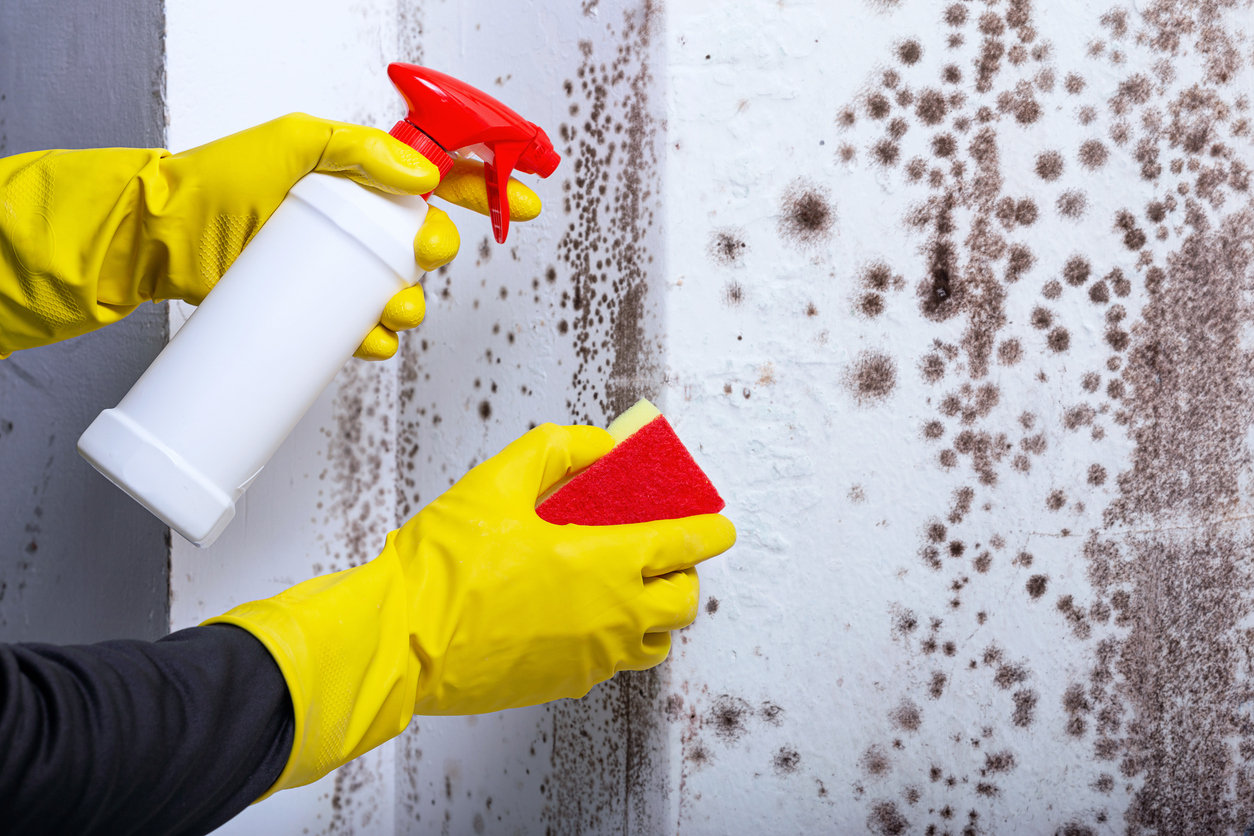 What Are the First Signs of Mold in an Alabama Home?
Mold rarely appears overnight. In Alabama, where high humidity, frequent rain, and seasonal storms keep moisture levels elevated, it often develops gradually in areas homeowners don't inspect every day. The good news is that your home usually gives subtle clues before mold becomes a larger problem. Recognizing these early signs can help you address moisture issues sooner and determine whether professional mold testing and remediation are needed.
Think of It as Your Home's "Moisture Alert" Checklist
✔️ A Musty Odor That Doesn't Go Away
A persistent earthy smell, especially in bathrooms, laundry rooms, crawl spaces, or after heavy rainfall, can indicate hidden mold growth behind walls, under flooring, or inside HVAC systems, even when no mold is visible.
✔️ Water Stains or Discoloration
Brown ceiling spots, yellow wall stains, or dark patches around windows may suggest past or ongoing moisture intrusion. While a stain doesn't automatically mean mold, it signals an area worth monitoring.
✔️ Paint or Drywall That Looks Different
Peeling paint, bubbling drywall, or warped trim often point to trapped moisture. In Alabama homes, these changes commonly appear after roof leaks, plumbing issues, or prolonged humidity.
✔️ Indoor Allergy Symptoms That Seem Unexplained
If family members experience sneezing, coughing, itchy eyes, or congestion that improve after leaving the house, poor indoor air quality caused by hidden mold may be one factor worth investigating.
✔️ A History of Water Damage
Homes that have experienced flooding, plumbing leaks, overflowing appliances, or storm-related water intrusion have a greater chance of developing mold if affected materials weren't thoroughly dried.
Realistic Scenario: After several weeks of summer humidity, an Alabama homeowner noticed a musty smell in the hallway after running the air conditioner. There were no visible mold patches, but a professional inspection identified hidden moisture behind a wall caused by a slow plumbing leak. Early mold testing and remediation addressed the issue before it spread further.
The earliest signs of mold are often linked to moisture rather than visible growth. Paying attention to these warning signals allows homeowners to investigate problems early, helping protect both their home and indoor environment before repairs become more extensive.
Where Does Mold Usually Grow in Alabama Homes?
Spotting the warning signs is only part of the picture. Mold often develops in places homeowners rarely inspect, especially when moisture remains trapped for extended periods. Alabama's warm, humid climate creates conditions where even small amounts of hidden moisture can encourage mold growth. Knowing where to look can help you act sooner and determine whether professional mold testing and remediation are needed.
A Room-by-Room Mold Check
Bathrooms - Daily showers, limited ventilation, and lingering humidity make bathrooms one of the most common places for mold. Check around shower enclosures, under sinks, behind toilets, and around exhaust fans where moisture tends to collect.
Kitchens - Leaks beneath sinks, around dishwashers, refrigerators, or water supply lines can create damp areas that go unnoticed for weeks. Cabinets and enclosed spaces often hide moisture long before visible damage appears.
Attics and Crawl Spaces - After heavy Alabama storms, roof leaks or poor ventilation can allow moisture to build up in these areas. Crawl spaces are particularly vulnerable because ground moisture and limited airflow create ideal conditions for hidden mold.
HVAC Systems and Air Vents - Air conditioning systems work hard during Alabama's long cooling season. Condensation around HVAC components or ductwork can create moisture that affects indoor air quality by circulating mold spores throughout the home if left unaddressed.
Areas with Previous Water Damage - Rooms affected by burst pipes, appliance leaks, or flooding deserve extra attention. Even after surfaces appear dry, moisture can remain inside drywall, insulation, or subflooring, allowing mold to develop out of sight.
Common Myth
"If I can't see mold, my home doesn't have a mold problem."
Hidden mold is one of the reasons visual inspections alone aren't always enough. Growth can develop behind walls, beneath flooring, or inside building materials where Alabama homeowners can't easily detect it without professional equipment.
Mold follows moisture, not rooms. Regularly checking the areas most vulnerable to trapped moisture helps Alabama homeowners identify potential problems earlier and decide when a professional inspection is the safest next step before hidden damage becomes more extensive.
If you've noticed moisture in areas that are difficult to inspect, Rapid Restoration can provide professional mold testing and remediation to help determine whether hidden mold is present and recommend the most appropriate next steps.
When Should You Call a Professional for Mold Testing and Remediation?
Recognizing the signs of moisture and knowing where mold is likely to grow are important first steps. The next question is whether it's time to bring in a professional. While some surface mildew can be cleaned safely, hidden moisture and recurring mold problems often require more than a visual inspection. Professional mold testing and remediation help Alabama homeowners understand the extent of the issue before deciding on the most appropriate solution.
When Is It Time to Schedule an Inspection?
Consider a professional evaluation if you notice:
A musty odor that continues even after cleaning.
Mold returning in the same location after repeated removal.
Water damage from roof leaks, burst pipes, appliance failures, or storm-related flooding.
Areas of your home that have remained damp for several days.
Family members experiencing unexplained indoor air quality concerns that seem to improve when away from home.
In Alabama, where prolonged humidity can slow the drying process, moisture often remains trapped inside walls, flooring, or insulation even after surfaces appear dry. Professional testing helps determine whether hidden mold is present instead of relying on assumptions.
What Happens During Professional Mold Testing and Remediation?
Every property is different, but the process generally begins with a thorough inspection to identify moisture sources and evaluate affected areas. Depending on the findings, professionals may use moisture meters, thermal imaging, or air and surface sampling to better understand the situation.
If mold is confirmed, mold testing and remediation typically focus on:
Containing affected areas to reduce cross-contamination.
Removing mold-damaged materials when necessary.
Cleaning and treating salvageable surfaces.
Addressing the moisture source to reduce the likelihood of future growth.
Confirming the area is ready for restoration once remediation is complete.
The goal isn't simply to remove visible mold; it's to resolve the conditions that allowed it to develop in the first place.
Acting early doesn't always mean a larger repair; it often means preventing one. Professional evaluation provides Alabama homeowners with clear answers, helping them make informed decisions while protecting both their property and indoor environment.
Think mold may be hiding in your home? Don't wait for the problem to spread. Contact Rapid Restoration today to schedule a professional inspection and get a free estimate for mold testing and remediation. Our team is here to help Alabama homeowners identify the issue, address it effectively, and restore confidence in their home's indoor environment.
Frequently Asked Questions
Can mold grow after a small plumbing leak?
Yes. Even minor leaks can create enough trapped moisture for mold to develop if they aren't repaired and dried promptly.
How long does professional mold testing take?
The inspection itself is often completed within a few hours, while laboratory analysis, if required, may take additional time depending on the testing method.
Should I test for mold before buying a home in Alabama?
If the property has a history of water damage, visible moisture issues, or a persistent musty odor, mold testing can provide valuable information before closing.
Will fixing a leak automatically solve a mold problem?
Repairing the leak is essential, but existing mold and moisture trapped within building materials may still require professional assessment and remediation.
Wrapping Up
Hidden mold doesn't always make an obvious appearance, but addressing moisture concerns early can help protect your Alabama home, indoor air quality, and avoid more extensive repairs down the road. Paying attention to the warning signs and seeking professional guidance when something doesn't seem right can make all the difference.
Every mold problem starts with a question, and getting the right answers early can save time, money, and unnecessary stress. Reach out to Rapid Restoration today for a free estimate and let our experienced team help you move forward with confidence.